

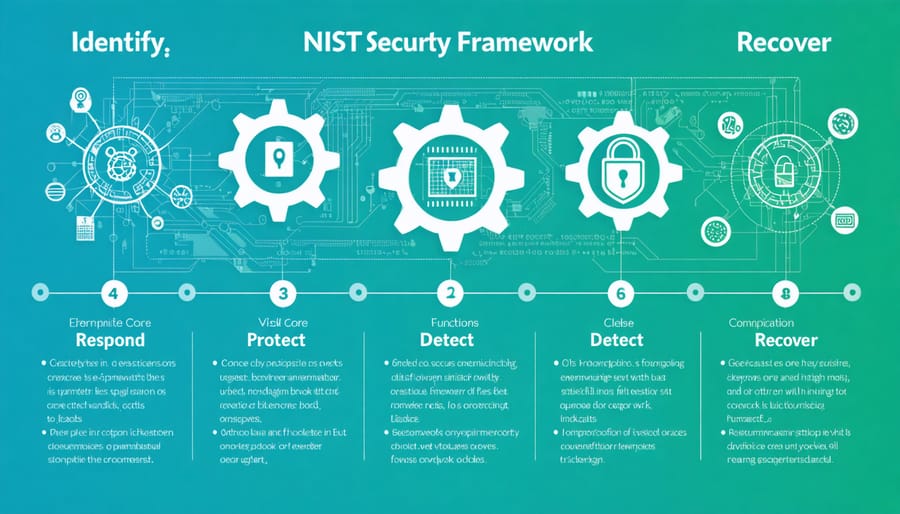
Implement NIST’s IoT security framework by first identifying critical microcontroller security features and establishing device-specific risk profiles. Deploy hardware-based security mechanisms like secure boot, trusted execution environments, and cryptographic co-processors to create a robust foundation for IoT protection. Configure automated security monitoring and incident response protocols tailored to resource-constrained environments, ensuring real-time threat detection without compromising device performance.
The NIST Framework’s five core functions – Identify, Protect, Detect, Respond, and Recover – provide a structured approach for securing IoT devices across their entire lifecycle. This comprehensive methodology addresses unique challenges in embedded systems, from limited computational resources to long-term deployment requirements. By implementing these guidelines, developers can create resilient IoT solutions that maintain security integrity while operating within strict power and processing constraints.
Focus on establishing verifiable security controls, implementing secure communication protocols, and maintaining continuous monitoring capabilities. These fundamental elements enable organizations to adapt security measures as threats evolve, ensuring IoT devices remain protected against emerging vulnerabilities while maintaining operational efficiency.
Understanding NIST’s IoT Security Framework Basics
Key Components of the Framework
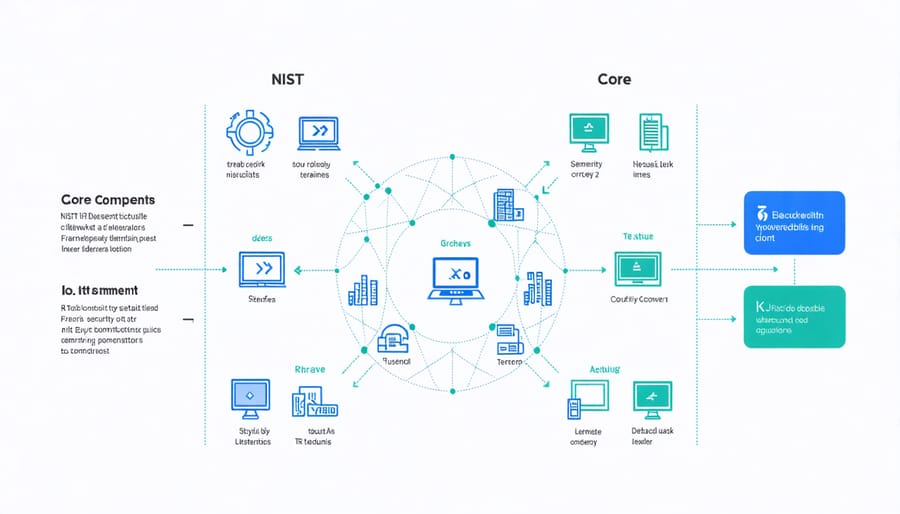
The NIST IoT Security Framework is built around several fundamental components that work together to create a comprehensive security strategy for IoT devices. At its core, the framework includes Device Identification, which ensures each IoT device has a unique identifier and can be properly tracked within the network.
Risk Assessment forms another crucial element, helping makers evaluate potential vulnerabilities and threats specific to their IoT implementations. This is paired with Device Configuration Management, which establishes secure baseline settings and update procedures for IoT devices.
Data Protection stands as a key pillar, encompassing encryption methods and secure data storage practices suitable for resource-constrained devices. The framework also emphasizes Access Control mechanisms, ensuring only authorized users and devices can interact with IoT systems.
Network Security and Communication forms the final major component, focusing on secure data transmission between devices and networks. This includes implementing proper authentication protocols and maintaining secure communication channels, even in low-power scenarios typical of microcontroller projects.
These components are designed to be scalable and adaptable, making them suitable for both simple hobby projects and complex IoT implementations.
Why It Matters for Microcontroller Projects
For makers and hobbyists working with microcontrollers, the NIST IoT security framework isn’t just a theoretical concept – it’s a practical roadmap for building safer, more reliable projects. When you’re developing with Arduino, ESP32, or similar platforms, following these guidelines helps protect your creations from common vulnerabilities while ensuring they remain functional within limited resources.
The framework’s device identification principles, for instance, can be implemented through simple unique identifiers stored in EEPROM, while its data protection requirements can be met using lightweight encryption libraries suitable for microcontrollers. This matters because even small projects, like home automation systems or environmental monitors, can become targets for cyber attacks if left unsecured.
What’s particularly valuable for makers is that the framework scales well for different project sizes. You can start with basic security features like secure boot and encrypted communication, then gradually implement more advanced protections as your project grows. This approach ensures that security doesn’t overwhelm your device’s limited processing power and memory while still maintaining robust protection against common threats.
By following these guidelines, you’re not just protecting your own project – you’re contributing to a more secure IoT ecosystem overall.
Implementing NIST Security on Microcontrollers
Device Identity and Authentication
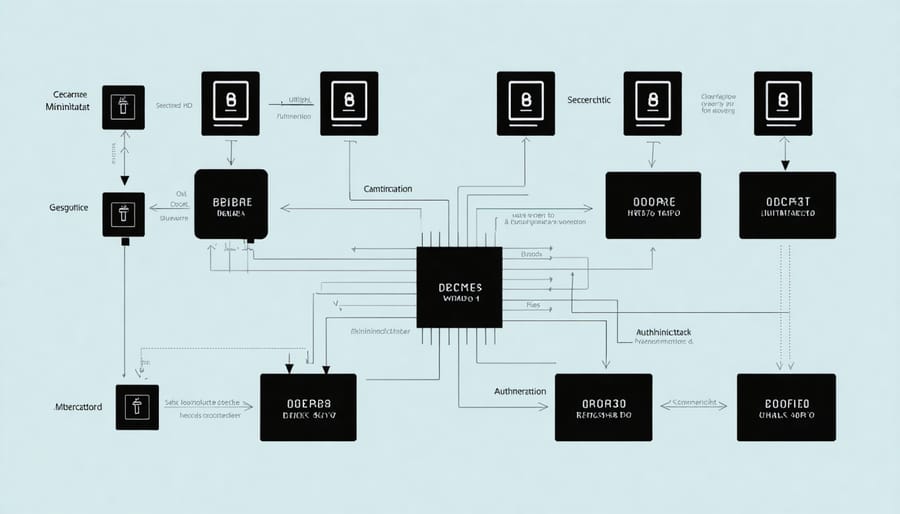
In the IoT landscape, secure device identity and authentication form the foundation of trustworthy systems. Every connected device needs a unique, tamper-resistant identity that can be verified during boot-up and throughout its operational lifecycle. This process starts with secure boot mechanisms, which validate firmware authenticity before execution, preventing unauthorized code from running on the device.
Modern microcontrollers often include hardware security features like secure elements or Trusted Platform Modules (TPMs) that store cryptographic keys and certificates. These components create a root of trust, ensuring that only legitimate firmware can execute and establishing secure device communication protocols.
For makers and developers implementing NIST guidelines, practical authentication methods include:
– Using unique device certificates burned into secure storage
– Implementing mutual authentication between devices and servers
– Employing challenge-response mechanisms for ongoing trust verification
– Utilizing hardware-based random number generators for secure key generation
When working with resource-constrained devices, it’s important to balance security with performance. Consider using lightweight cryptographic algorithms specifically designed for IoT applications, and implement a proper key management system that allows for certificate rotation and revocation when necessary.
Remember to document your device identity implementation thoroughly and create recovery procedures for when authentication fails. This ensures both security and maintainability of your IoT system.
Data Protection Measures
The NIST IoT security framework emphasizes robust data protection through encryption and secure storage implementations. For microcontroller-based projects, this means implementing both data-at-rest and data-in-transit protection mechanisms.
When data is in transit, the framework recommends using standardized encryption protocols like TLS 1.3 or DTLS for IoT devices with limited resources. These protocols provide a good balance between security and performance, crucial for resource-constrained devices. For local communications, AES-128 or AES-256 encryption can be implemented efficiently on most modern microcontrollers.
For data at rest, secure storage solutions should be implemented using hardware-based security features when available. Many modern microcontrollers include secure storage elements or trusted platform modules (TPMs) that provide hardware-level encryption and secure key storage. When hardware security isn’t available, software-based encryption using established algorithms like AES in appropriate modes (CBC, GCM) should be used.
The framework also emphasizes proper key management. Keys should be stored securely, regularly rotated, and never hardcoded in firmware. For IoT devices, implementing a secure boot process ensures that encryption keys and sensitive data remain protected during device startup.
Additionally, any sensitive data should be properly sanitized before device decommissioning, and backup data should be encrypted using the same strong protocols as primary storage.
Update and Maintenance Security
Regular firmware updates and proper maintenance procedures are crucial components of IoT device security under the NIST framework. Manufacturers and developers must establish secure update mechanisms that verify firmware authenticity before installation, preventing malicious code injection through compromised updates.
The framework recommends implementing automated update processes with rollback capabilities in case of failed updates. This ensures devices can return to a known-good state if problems occur during the update process. Digital signatures and encryption should protect all firmware packages during transmission and storage.
For ongoing maintenance, the framework emphasizes the importance of monitoring device health, logging security events, and maintaining an inventory of all connected devices and their current firmware versions. Regular security assessments should check for vulnerabilities in both the device software and update mechanisms.
Device makers should provide clear documentation about the expected device lifetime and support period, including how long security updates will be available. When security issues are discovered, there should be a documented process for quickly developing, testing, and deploying patches to affected devices.
The framework also recommends implementing secure decommissioning procedures. When a device reaches end-of-life, proper protocols should ensure sensitive data is securely erased and the device can no longer connect to the network, preventing it from becoming a security liability.
Real-World Application Examples
Smart Home Security Implementation
Let’s explore a practical implementation of the NIST IoT security framework using a smart home security system built with a Raspberry Pi. This example project demonstrates how to apply key NIST principles while maintaining usability and effectiveness.
The system consists of a Raspberry Pi 4 acting as the central hub, connected to motion sensors, door sensors, and IP cameras. To implement device identification, each sensor is assigned a unique identifier and uses certificate-based authentication to communicate with the hub. The system employs WPA3 encryption for wireless communications and TLS 1.3 for data transmission.
For access control, the project uses multi-factor authentication combining biometric verification (fingerprint scanner) and PIN codes. User permissions are strictly managed through role-based access control, with different privilege levels for family members and guests. All access attempts are logged and monitored.
Data protection is achieved through AES-256 encryption for stored footage and sensor data. The system performs regular automated backups to an encrypted local storage device, with optional cloud backup using end-to-end encryption.
To maintain security over time, the project includes:
– Automated software updates for the Raspberry Pi and connected devices
– Regular security scanning using built-in vulnerability assessment tools
– Event logging and automated alerts for suspicious activities
– Physical tamper detection on sensor housings
The system is configured to fail securely, defaulting to a safe state during power outages or communication failures. It also includes network segmentation, keeping IoT devices on a separate VLAN from other home network devices.

Industrial Sensor Security
Industrial IoT security presents unique challenges, particularly in manufacturing environments where sensors play a crucial role in monitoring and controlling critical processes. Let’s examine a real-world implementation of NIST IoT security guidelines at a smart manufacturing facility.
The facility implemented a multi-layered security approach for their temperature and pressure sensors across the production line. First, they established device identity management by assigning unique cryptographic identifiers to each sensor, making it impossible for unauthorized devices to join the network. This was accomplished using hardware security modules (HSMs) built into their modern industrial sensors.
For data protection, they implemented end-to-end encryption for all sensor communications using lightweight cryptography suitable for resource-constrained devices. The facility chose AES-128 encryption, which provided strong security while maintaining acceptable response times for real-time monitoring.
Access control was implemented through role-based authentication, where different personnel had varying levels of access to sensor data and configuration settings. Maintenance staff could view sensor readings, while only authorized engineers could modify calibration parameters.
The facility also deployed an automated monitoring system that tracked sensor behavior patterns. Any unusual readings or communication patterns triggered immediate alerts, helping detect potential security breaches or sensor malfunctions early.
Regular security assessments and firmware updates were scheduled during planned maintenance windows to minimize production disruption. The facility documented a 60% reduction in security incidents after implementing these measures, while maintaining operational efficiency.
This case study demonstrates how NIST guidelines can be practically applied in industrial settings while balancing security requirements with operational needs.
Common Challenges and Solutions
Resource Constraints
When implementing the NIST IoT security framework on embedded devices, developers must carefully consider the resource constraints of microcontrollers. Most IoT devices operate with limited processing power, memory, and energy budgets, which can make implementing comprehensive security measures challenging.
To address these limitations, developers should prioritize lightweight encryption algorithms and efficient security protocols that minimize computational overhead. For instance, using AES-128 instead of AES-256 might provide an acceptable security level while requiring less processing power. Similarly, implementing selective encryption for critical data rather than encrypting all communications can help balance security needs with available resources.
Memory optimization techniques, such as using static memory allocation and avoiding recursive functions, can help maintain security features within tight RAM constraints. Additionally, implementing power-saving modes and carefully managing wireless communications can extend battery life while maintaining essential security functions.
The key is finding the right balance between security requirements and device capabilities without compromising core functionality or user experience.
Performance Optimization
Implementing security measures on IoT devices requires careful consideration of resource constraints and performance impacts. When following the NIST framework, it’s essential to strike a balance between robust security and efficient device operation. Optimizing microcontroller performance while maintaining security can be achieved through several strategies.
First, consider using lightweight encryption algorithms specifically designed for resource-constrained devices. These algorithms provide adequate security while minimizing CPU and memory usage. Second, implement selective security measures based on risk assessment – not every component needs the highest level of protection.
Memory management is crucial. Use efficient coding practices that minimize RAM usage for security features, such as implementing security checks in stages rather than all at once. Also, consider using hardware-based security features when available, as they often consume fewer resources than software implementations.
For battery-powered devices, implement power-efficient security measures by using sleep modes between security checks and optimizing communication protocols. This approach ensures both security and extended battery life without compromising device functionality.
The NIST IoT Security Framework provides a robust foundation for securing your microcontroller projects, offering essential guidelines that can be adapted to suit various project scales. By following these recommendations, makers and developers can significantly enhance their IoT device security without overwhelming system resources. Remember to start with the basics – device identification and access control – before progressively implementing more advanced security measures. Regular security audits and updates should become part of your development routine. As the IoT landscape continues to evolve, staying informed about NIST framework updates and emerging security threats will help you maintain strong protection for your projects. Take the first step today by implementing these security practices in your next build, and continue to iterate and improve your security measures as your projects grow in complexity.