
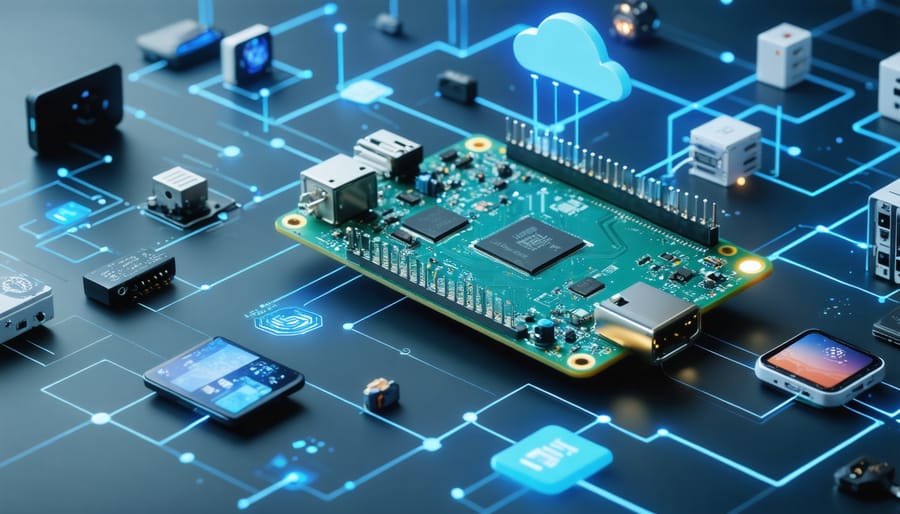
IoT device management platforms are revolutionizing how businesses monitor, control, and optimize their connected devices at scale. From smart factories deploying thousands of sensors to smart cities managing millions of connected endpoints, these platforms serve as the command center for the entire IoT ecosystem. By providing a centralized interface for device provisioning, security management, over-the-air updates, and real-time monitoring, modern IoT management solutions transform raw device networks into intelligent, automated systems that drive operational efficiency.
The rapid proliferation of IoT devices – projected to reach 27 billion connected endpoints by 2025 – has made robust device management platforms not just beneficial but essential. These platforms help organizations overcome key IoT challenges like security vulnerabilities, complex deployment logistics, and maintenance overhead while enabling powerful capabilities like predictive analytics, automated workflows, and seamless scalability.
Whether you’re building a small proof-of-concept with a few Raspberry Pis or architecting an enterprise-grade IoT solution, choosing the right device management platform can mean the difference between a successful deployment and a maintenance nightmare. This guide explores the critical features, implementation considerations, and best practices for selecting and deploying an IoT device management platform that meets your specific needs.
What Makes a Raspberry Pi Perfect for IoT Management
Hardware Capabilities
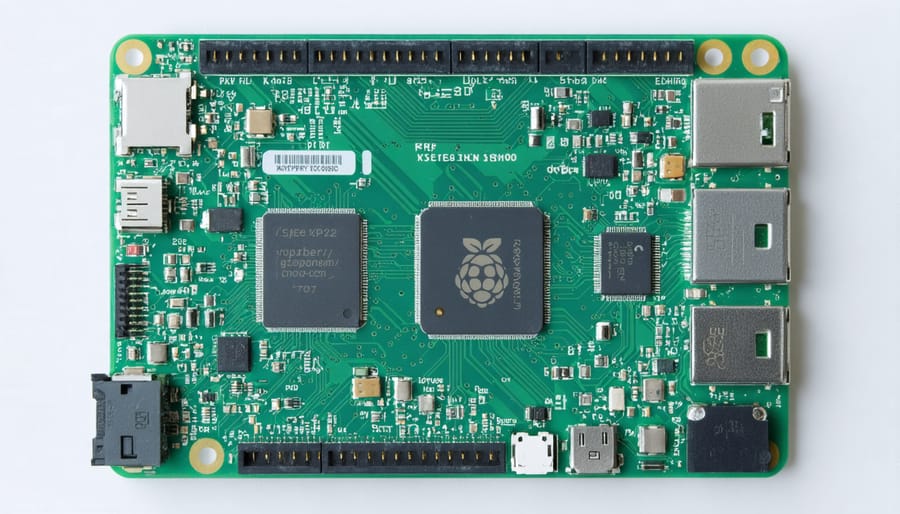
A robust IoT device management platform requires careful consideration of hardware specifications to ensure smooth operation. The platform’s processing capabilities must handle multiple device connections, real-time data processing, and automated tasks efficiently. Most modern platforms support various connectivity options, including Wi-Fi, Bluetooth, cellular (4G/5G), and ethernet connections, allowing flexibility in device deployment.
For scalability, the platform should accommodate both edge computing and cloud integration. Edge devices can handle local processing tasks, reducing latency and bandwidth usage, while cloud connectivity enables broader data analysis and storage capabilities. The hardware infrastructure should support automatic resource allocation and load balancing to maintain performance as the number of connected devices grows.
Consider implementing redundancy measures and failover systems to ensure continuous operation. This might include backup power supplies, multiple network interfaces, and distributed processing units. The platform should also be capable of handling firmware updates and security patches across numerous devices simultaneously without compromising system stability.
Cost-Effectiveness and Flexibility
IoT device management platforms offer compelling cost benefits through their efficient resource utilization and scalable pricing models. Most platforms operate on a pay-as-you-grow basis, allowing organizations to start small and expand their IoT infrastructure without significant upfront investments. This flexibility is particularly valuable for projects using Raspberry Pi devices, as it enables experimentation and gradual deployment.
The platforms’ automated maintenance and remote management capabilities significantly reduce operational costs by minimizing the need for on-site visits and manual interventions. For instance, batch firmware updates and automated monitoring can cut maintenance expenses by up to 60% compared to traditional manual management methods.
Additionally, these platforms’ adaptability extends to their integration capabilities. They can easily accommodate various protocols, device types, and communication standards, making them future-proof investments. This flexibility allows organizations to mix and match different IoT devices and sensors while maintaining a unified management interface.
The modular nature of these platforms also enables custom feature selection, ensuring you only pay for the capabilities you need. This approach makes them cost-effective for both small-scale hobbyist projects and large enterprise deployments.
Setting Up Your IoT Management Platform
Required Software Components
A robust IoT device management platform requires several essential software components working together seamlessly. At its core, you’ll need a reliable operating system – typically Linux-based distributions like Ubuntu Core or Raspbian for Raspberry Pi implementations. These provide the foundation for running your IoT services and applications.
The platform should include a device management server, which acts as the central control point. Popular options include AWS IoT Core, Azure IoT Hub, or open-source alternatives like ThingsBoard and MainfluxLabs. These servers handle device registration, authentication, and communication protocols.
For data storage and management, you’ll need both a time-series database (such as InfluxDB or TimescaleDB) for sensor data and a relational database (like PostgreSQL or MySQL) for device metadata and configuration settings. A message broker system, typically MQTT-based like Mosquitto or RabbitMQ, ensures reliable communication between devices and the server.
The platform should also incorporate security components, including certificate management systems, encryption tools, and access control mechanisms. Development frameworks and SDKs, such as Node-RED or Python-based frameworks, enable rapid application development and customization.
Finally, you’ll need monitoring and visualization tools like Grafana or Kibana to track device performance and display data insights. These components work together to create a comprehensive IoT device management solution that’s both scalable and secure.
Network Configuration
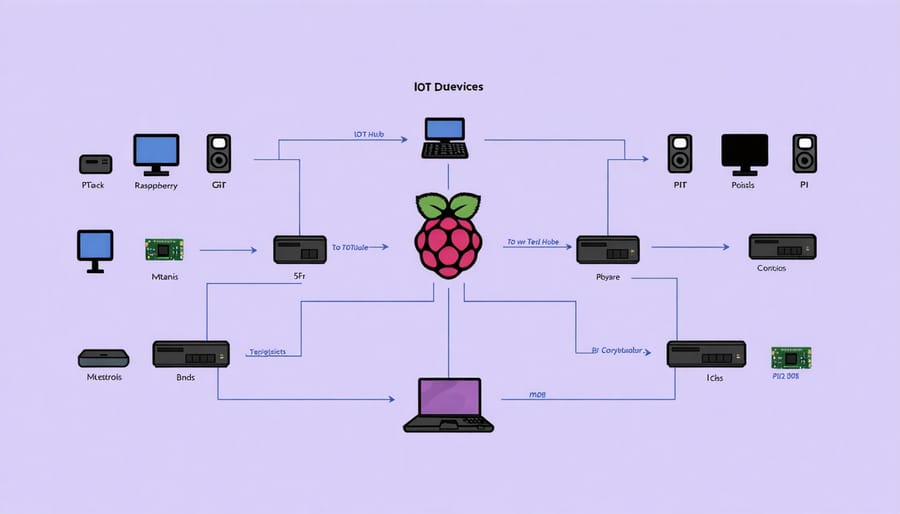
Secure networking is crucial for any IoT device management platform. Start by configuring your devices with static IP addresses or DHCP reservations to ensure consistent connectivity. For enhanced security, implement a dedicated VLAN for your IoT devices, separating them from your primary network.
Enable WPA3 encryption for wireless connections and use strong, unique passwords for each device. Consider implementing certificate-based authentication for additional security. Set up a reverse proxy to manage incoming connections and implement rate limiting to prevent DDoS attacks.
Configure your firewall rules to allow only necessary traffic and block all other incoming connections. Use secure protocols like MQTT over TLS for device communication, and ensure all data transmission is encrypted. Enable port forwarding only for required services and consider using a VPN for remote access.
Monitor network traffic patterns using tools like Wireshark or tcpdump to detect anomalies. Implement automated alerts for suspicious activities, such as unusual connection attempts or traffic spikes. Regular security audits help identify potential vulnerabilities in your network configuration.
For scalability, set up DNS records for your devices and use load balancers when managing multiple instances. Document all network configurations and maintain an up-to-date inventory of connected devices, their IP addresses, and security certificates. This documentation proves invaluable during troubleshooting or when adding new devices to your network.
Security Implementation
Security implementation in IoT device management platforms requires a multi-layered approach to protect both devices and data. Following established security best practices is crucial for maintaining a robust system.
Start by implementing strong authentication mechanisms, including two-factor authentication (2FA) and certificate-based device authentication. Each device should have unique credentials and certificates for secure communication. Encrypt all data transmission using industry-standard protocols like TLS/SSL, and ensure data at rest is encrypted using AES-256 or similar robust encryption standards.
Regular security audits and vulnerability assessments help identify potential weaknesses. Implement automated monitoring systems to detect unusual behavior patterns or potential security breaches. Keep all firmware and software components up to date through secure over-the-air (OTA) updates.
Access control is paramount – use role-based access control (RBAC) to limit device and user permissions based on specific needs. Maintain detailed logs of all system activities and implement automated alerts for suspicious activities.
For Raspberry Pi implementations, enable hardware security modules when available, and disable unnecessary services and ports. Configure firewalls to restrict incoming connections and segment your network to isolate IoT devices from critical systems. Regular password rotation and strong password policies should be enforced across all devices and user accounts.
Core Management Features
Device Registration and Authentication
Device registration and authentication form the foundation of any reliable IoT management system. When setting up your devices, you’ll need to establish a secure and scalable device management process that ensures only authorized devices can connect to your network.
The registration process typically begins with device provisioning, where each device receives a unique identifier and security credentials. For Raspberry Pi devices, this usually involves generating a device certificate or token that serves as its digital identity. You can use methods like X.509 certificates, JWT tokens, or OAuth 2.0 for authentication.
To register a new device:
1. Generate unique device credentials
2. Configure the device with these credentials
3. Add the device details to your platform’s registry
4. Verify the connection through a test handshake
The authentication process occurs each time a device attempts to connect to your platform. Modern IoT platforms use multi-factor authentication to ensure security:
– Device certificates
– API keys
– Hardware-specific identifiers
– Secure boot verification
Remember to implement automatic device discovery and ensure your registration process can handle batch operations for multiple devices. This becomes especially important when scaling your IoT network from a few test devices to hundreds of production units.
Remote Monitoring and Updates
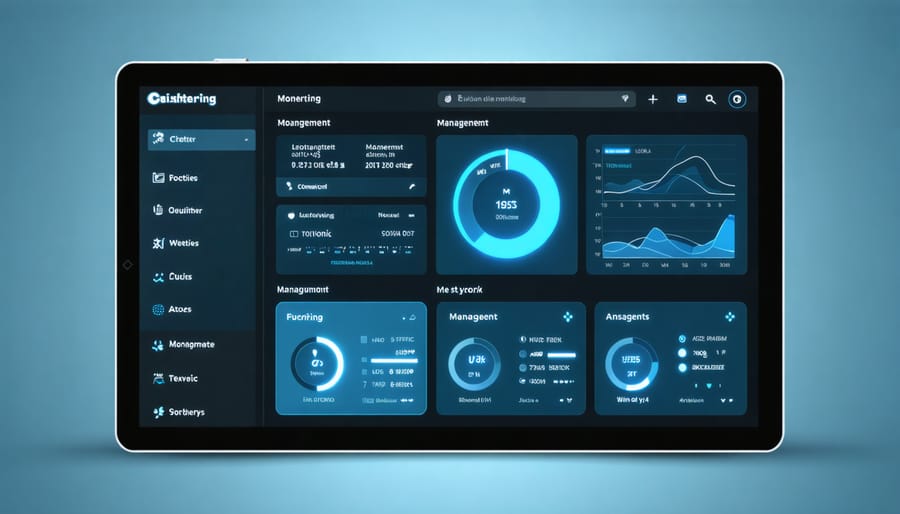
Remote monitoring capabilities are essential for maintaining and optimizing IoT devices across distributed networks. Modern IoT device management platforms offer comprehensive tools that enable real-time device supervision, performance tracking, and automated updates. These platforms typically include dashboards that display vital metrics such as device status, network connectivity, and resource utilization.
With advanced cloud integration features, administrators can monitor their IoT fleet from anywhere, receiving instant alerts when devices experience issues or require attention. The platforms often include customizable monitoring parameters, allowing users to set specific thresholds for CPU usage, memory consumption, and network latency.
Automated updates are another crucial aspect of remote management. These platforms can schedule and deploy firmware updates, security patches, and configuration changes across multiple devices simultaneously, reducing maintenance overhead and ensuring consistent device performance. Many solutions also offer rollback capabilities in case updates cause unexpected issues.
For Raspberry Pi enthusiasts, these platforms provide valuable insights through detailed logging and analytics features. Users can track long-term performance trends, identify potential bottlenecks, and optimize their device configurations accordingly. The ability to manage multiple Raspberry Pi devices through a single interface makes these platforms particularly valuable for educational institutions and hobbyist projects that involve multiple nodes.
Data Collection and Analysis
An effective IoT device management platform must incorporate robust data collection and analysis capabilities to provide meaningful insights. The platform should collect various metrics from connected devices, including performance data, sensor readings, and system health indicators. This data can be processed in real-time or stored for batch analysis, depending on your specific requirements.
To implement analytics features, start by setting up a time-series database like InfluxDB or MongoDB to store device data efficiently. These databases are optimized for handling large volumes of timestamped information and provide excellent query performance. Configure your platform to collect data at appropriate intervals, considering factors like network bandwidth and storage capacity.
For reporting, implement customizable dashboards using tools like Grafana or Node-RED. These visualization tools can create interactive charts, graphs, and alerts based on your collected data. Set up automated reports that track key performance indicators (KPIs) such as device uptime, network latency, and resource utilization.
Consider implementing machine learning algorithms to detect patterns and anomalies in your device data. This can help predict maintenance needs and identify potential issues before they become critical. For example, you can use simple regression models to predict device failures based on historical performance data.
Remember to include data retention policies and automated cleanup procedures to manage storage effectively. This ensures your platform remains performant while maintaining necessary historical data for trend analysis and compliance requirements.
Real-World Applications
Home Automation Systems
Home automation represents one of the most popular applications of IoT device management platforms, particularly when integrated with Raspberry Pi systems. A typical smart home setup might include various devices such as smart lights, thermostats, security cameras, and door sensors, all requiring centralized control and monitoring.
Using a Raspberry Pi as your hub, you can create a robust home automation system that leverages advanced cloud management capabilities while maintaining local control. Popular platforms like Home Assistant and OpenHAB can be installed directly on your Raspberry Pi, providing a user-friendly interface for device management.
For example, you could set up automated routines that adjust your home’s lighting based on time of day, control your HVAC system according to occupancy sensors, and manage security cameras with motion detection alerts. The platform handles device discovery, authentication, and real-time monitoring, making it simple to add new devices or modify existing automation rules.
What makes this setup particularly powerful is the ability to integrate multiple protocols like Zigbee, Z-Wave, and Wi-Fi devices under a single management interface. This flexibility allows you to choose devices based on their features rather than being locked into a specific ecosystem, while maintaining professional-grade security and reliability throughout your home automation system.

Small Business Monitoring
Consider the case of Downtown Bakery, a small business that implemented an IoT device management platform using Raspberry Pi devices to monitor their operations. The bakery deployed sensors across their facility to track temperature in refrigerators, humidity in proving rooms, and equipment status for their industrial ovens.
Before implementation, the bakery struggled with inconsistent product quality and occasional equipment failures. They installed five Raspberry Pi devices connected to various sensors, all managed through a centralized IoT platform. The system monitors critical parameters 24/7 and sends real-time alerts to staff smartphones when readings fall outside acceptable ranges.
The results were significant: a 30% reduction in food waste due to better temperature control, 45% fewer equipment breakdowns through predictive maintenance alerts, and consistent product quality across all batches. The platform’s dashboard allows staff to view historical data, helping them optimize their processes and energy usage.
The total implementation cost was under $1,000, including hardware and annual platform subscription. The bakery achieved ROI within three months through reduced waste and maintenance costs. This case demonstrates how small businesses can leverage IoT device management platforms with Raspberry Pi to improve operations, ensure product quality, and reduce operational costs without requiring extensive technical expertise or substantial investment.
IoT device management platforms have revolutionized how we handle connected devices, particularly in Raspberry Pi projects and similar applications. These platforms have made it significantly easier to monitor, update, and secure IoT devices at scale, transforming what was once a complex challenge into a streamlined process.
The benefits of implementing an IoT device management platform are clear: reduced operational costs, enhanced security measures, improved device performance, and simplified maintenance procedures. For hobbyists and educators working with Raspberry Pi, these platforms provide professional-grade solutions that were previously only available to enterprise users.
Looking ahead, the future of IoT device management platforms appears incredibly promising. We can expect to see more advanced features like AI-powered predictive maintenance, enhanced automation capabilities, and improved integration with emerging technologies. The rise of edge computing and 5G networks will likely lead to more sophisticated management solutions that can handle increasingly complex IoT ecosystems.
For those just starting their IoT journey, these platforms offer an excellent foundation for learning and growth. As the technology continues to evolve, we’ll likely see even more user-friendly interfaces and powerful features that make IoT device management more accessible to everyone, from beginners to experienced developers.
Remember, successful IoT implementation isn’t just about connecting devices – it’s about managing them effectively and securely. With the right platform, you can focus on innovation rather than getting bogged down by routine maintenance tasks.