
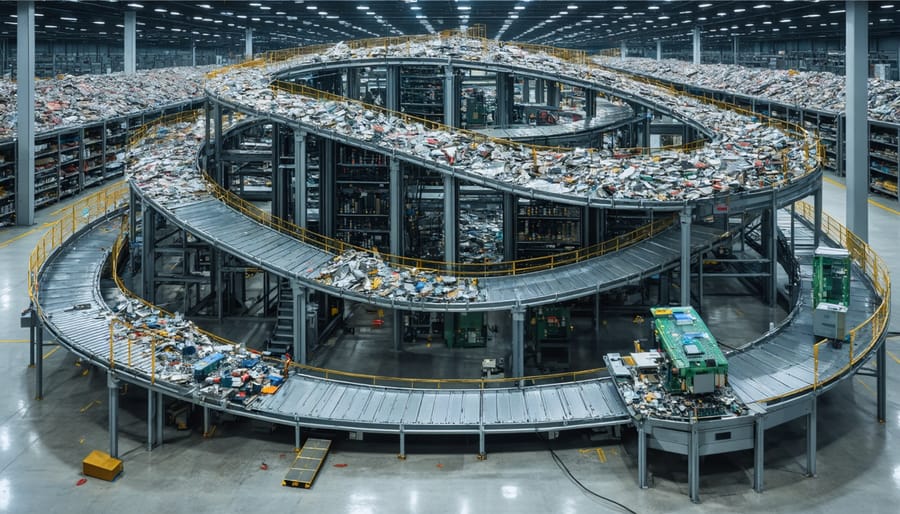
Transform outdated electronics into valuable resources through smart e-waste recycling programs that combine eco-friendly computing solutions with community engagement. Deploy Raspberry Pi-powered sorting stations equipped with computer vision to automatically categorize electronic waste components, maximizing recycling efficiency while minimizing human error. Implement real-time tracking systems that monitor collection metrics, providing transparent data about environmental impact and resource recovery rates to stakeholders.
Modern e-waste management demands innovative technological solutions coupled with accessible community programs. By integrating IoT sensors and automated processing systems, organizations can streamline collection, sorting, and recycling workflows while ensuring regulatory compliance. These smart recycling initiatives not only protect our environment from hazardous materials but also recover valuable metals and components for reuse in manufacturing.
Educational institutions and businesses partnering with certified e-waste recyclers can establish collection hubs powered by Raspberry Pi devices, creating a sustainable infrastructure that turns technological waste into renewable resources. This systematic approach to electronics recycling combines environmental responsibility with practical technology implementation, setting new standards for responsible disposal in our digital age.
Setting Up Your Raspberry Pi E-Waste Collection Station
Essential Hardware Components
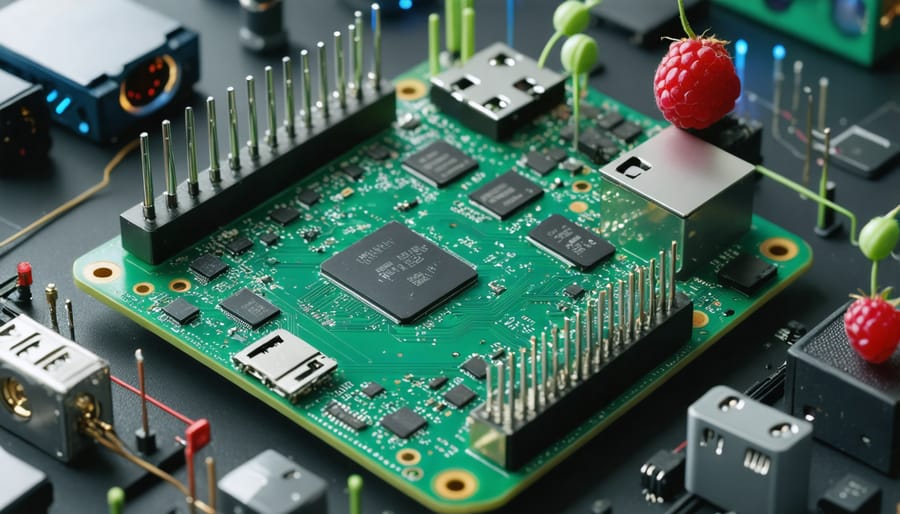
A successful e-waste recycling program requires several key hardware components working in tandem with your setting up your Raspberry Pi. The primary sorting mechanism consists of a conveyor belt system equipped with high-resolution cameras for visual identification and weight sensors for material classification. These cameras, typically 8MP or higher, connect directly to the Raspberry Pi for real-time image processing.
For accurate material detection, you’ll need both infrared and metal detection sensors. The IR sensors help identify different types of plastics, while metal detectors separate valuable metals from other materials. A servo-controlled sorting arm, positioned at strategic points along the conveyor, responds to the sensor data to sort items into appropriate bins.
Storage solutions include segregated containers for different materials: one each for metals, plastics, circuit boards, and batteries. Each container should be equipped with level sensors to prevent overflow and enable automated monitoring of fill levels.
Additional essential components include:
– LCD display for system status monitoring
– Emergency stop buttons for safety
– WiFi module for data transmission
– Backup power supply
– Protective enclosures for electronics
– Push buttons for manual override
These components form a robust system capable of efficiently sorting and storing various types of electronic waste while maintaining safety and reliability.
Software Implementation
The software implementation for our e-waste sorting system begins with setting up a Python environment on the Raspberry Pi. Start by installing the required libraries using pip:
“`python
pip install opencv-python
pip install sqlite3
pip install RPi.GPIO
“`
Create a main script that initializes the GPIO pins for sensors and sorting mechanisms. The core functionality uses OpenCV for image recognition of e-waste items:
“`python
import cv2
import sqlite3
from RPi.GPIO import GPIO
def initialize_system():
GPIO.setmode(GPIO.BCM)
GPIO.setup(18, GPIO.IN) # Object detection sensor
GPIO.setup(23, GPIO.OUT) # Sorting mechanism
“`
Next, implement the database structure to track recycled items:
“`python
def create_database():
conn = sqlite3.connect(‘ewaste.db’)
c = conn.cursor()
c.execute(”’CREATE TABLE IF NOT EXISTS items
(id INTEGER PRIMARY KEY,
category TEXT,
weight REAL,
timestamp DATETIME)”’)
conn.commit()
“`
The main sorting algorithm uses pre-trained models to categorize items:
“`python
def sort_item(image):
result = model.predict(image)
category = categorize_result(result)
update_database(category)
activate_sorting_mechanism(category)
“`
Remember to implement error handling and logging functions to maintain system reliability and track performance metrics. Regular database maintenance ensures efficient operation and accurate recycling statistics.
Smart E-Waste Management with Raspberry Pi
Automated Component Recognition
Computer vision technology has revolutionized e-waste recycling by enabling automated identification and sorting of electronic components. Using machine learning algorithms and high-resolution cameras, these systems can quickly analyze and categorize various electronic parts based on their physical characteristics, materials, and potential recyclability.
The recognition process typically begins with image capture, where components are photographed from multiple angles. These images are then processed through trained neural networks that can identify specific features like circuit boards, precious metals, plastics, and hazardous materials. This automated approach significantly reduces manual sorting time and improves accuracy in component identification.
Modern systems can distinguish between different types of circuit boards, recognize various connector types, and even identify specific electronic components like capacitors, resistors, and integrated circuits. This granular level of recognition enables more efficient recycling processes and better recovery of valuable materials.
For example, when a circuit board passes through the system, the computer vision software can quickly determine its composition and direct it to the appropriate recycling stream. Gold-containing components can be separated for precious metal recovery, while hazardous materials are isolated for proper disposal.
The technology continues to evolve, with some systems now incorporating infrared scanning to identify different types of plastics and X-ray fluorescence to detect specific metals. These advanced detection methods ensure that materials are properly sorted for maximum recovery value while maintaining environmental safety standards.
As the technology becomes more accessible, even smaller recycling operations can implement basic component recognition systems, making e-waste recycling more efficient and economically viable across the industry.

Data Tracking and Analytics
A robust data tracking and analytics system is essential for measuring the success of e-waste recycling programs and helping to optimize environmental impact. Using Raspberry Pi as the central hub, you can implement sensors and monitoring systems that track key metrics such as collection volumes, processing efficiency, and material recovery rates.
The system can be configured to collect data through various input methods, including barcode scanners for inventory management, weight sensors for measuring collected materials, and RFID readers for tracking item movement through the recycling process. This data is then processed and stored in a local database, providing real-time insights into your recycling program’s performance.
Key metrics to monitor include:
– Total weight of e-waste collected
– Categories of materials processed
– Recovery rates for valuable materials
– Processing time per item
– Energy consumption during recycling
– Carbon footprint reduction estimates
By implementing automated reporting features, you can generate detailed analytics dashboards that highlight trends, identify bottlenecks, and showcase environmental benefits. These insights enable data-driven decisions to improve program efficiency and demonstrate impact to stakeholders.
The Raspberry Pi can be programmed to send automated alerts when certain thresholds are reached, helping maintain optimal processing capacity and ensuring compliance with environmental regulations. Regular data analysis also helps identify opportunities for process optimization and validates the environmental benefits of your recycling initiatives.
Remember to regularly back up your data and implement appropriate security measures to protect sensitive information while maintaining transparency in reporting environmental achievements.
Community Integration and Scaling
Building a Network
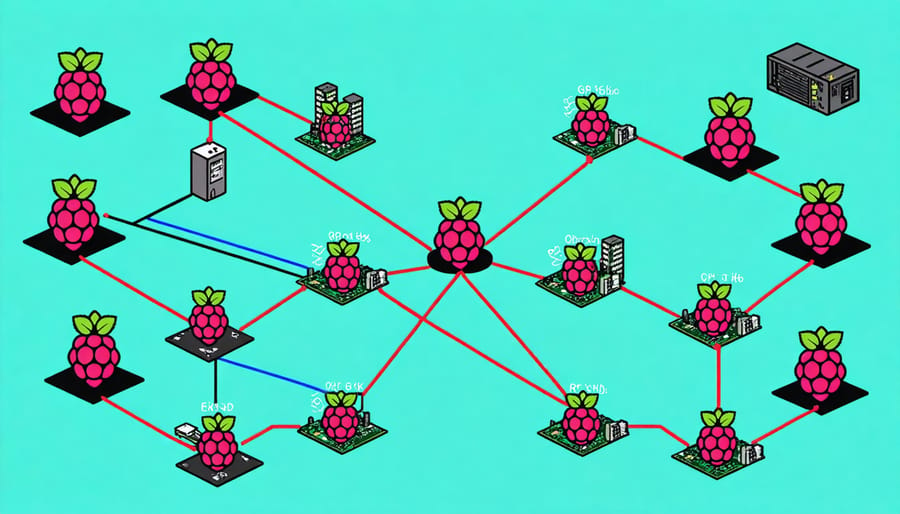
Connecting multiple Raspberry Pi recycling stations creates a powerful network that enhances the efficiency and reach of your e-waste recycling program. Start by configuring each Pi with a unique hostname and static IP address through the raspi-config utility. This ensures reliable communication between stations.
Using Python’s Socket library, create a client-server architecture where one Pi acts as the central hub (server) while others function as collection points (clients). The server Pi can aggregate data from all stations, tracking collection volumes, types of e-waste, and generating comprehensive reports.
Implement a simple REST API using Flask to enable seamless data exchange between stations. This allows real-time monitoring of collection rates and automated alerts when bins reach capacity. For secure communication, utilize SSL certificates and implement basic authentication to protect sensitive data.
Consider using MQTT protocol for lightweight, efficient communication between stations, especially useful when dealing with intermittent connections. Set up a local database on the server Pi using SQLite to store collection data, making it easy to analyze trends and optimize collection routes.
To enhance reliability, implement a failover system where secondary Pis can take over server duties if the primary hub goes offline. Add monitoring tools like Prometheus and Grafana for visual tracking of network performance and collection metrics across all stations.
Educational Outreach
Educational outreach forms a crucial component of successful e-waste recycling programs, particularly when leveraging technology to spread awareness. By utilizing Raspberry Pi-powered information kiosks and interactive displays, organizations can effectively demonstrate the impact of e-waste on the environment and showcase proper recycling methods.
Interactive workshops can be organized where participants learn about electronic components while understanding their environmental impact. These sessions can include hands-on demonstrations of dismantling obsolete devices, identifying recyclable parts, and understanding the proper disposal methods for different components.
Digital dashboards powered by Raspberry Pi can be installed in community centers and schools, displaying real-time statistics about e-waste collection and its environmental impact. These visual representations help community members understand the tangible effects of their recycling efforts and encourage continued participation.
Online platforms and mobile apps can complement physical outreach efforts by providing educational resources, recycling guidelines, and collection point locations. Regular webinars and virtual training sessions can reach a broader audience, teaching proper e-waste handling techniques and explaining the importance of responsible electronics disposal.
Social media campaigns and email newsletters can keep the community informed about upcoming collection events, recycling achievements, and environmental milestones. By maintaining consistent communication and engagement, these educational initiatives help build a sustainable culture of responsible e-waste management.
Security and Environmental Compliance
Data Protection Measures
Before recycling electronic devices, it’s crucial to implement robust data protection measures to safeguard sensitive information. Start by performing a secure data wipe using specialized software that overwrites data multiple times, making it virtually impossible to recover. For Raspberry Pi devices and similar computers, tools like DBAN (Darik’s Boot and Nuke) or secure-erase commands can effectively sanitize storage devices.
Organizations should establish a documented chain of custody for e-waste items, tracking each device from collection to final disposal. This process should include recording serial numbers, storage capacities, and verification of successful data wiping. For devices with built-in storage that cannot be wiped, physical destruction methods like shredding or drilling through storage components may be necessary.
When working with certified e-waste recyclers, ensure they provide certificates of destruction and follow industry standards like NIST SP 800-88 for media sanitization. Consider implementing a two-person verification system for data destruction processes to maintain accountability and reduce the risk of human error.
For devices containing particularly sensitive data, consider encrypting storage devices before they enter service. This provides an additional layer of protection when the device reaches end-of-life, as encrypted data becomes virtually inaccessible even if traditional wiping methods fail.
Remember to maintain detailed logs of all data destruction activities for compliance and audit purposes.
Environmental Standards
E-waste recycling programs must adhere to stringent local and international standards to ensure responsible handling of electronic waste. When implementing Raspberry Pi-based recycling solutions, it’s crucial to align with regulations such as the Waste Electrical and Electronic Equipment (WEEE) Directive in Europe and similar frameworks worldwide.
These standards typically require proper sorting, documentation, and handling of different electronic components. For instance, circuit boards, displays, and batteries must be processed separately due to their distinct environmental impacts. Implementation of efficient power management systems in recycling facilities helps minimize energy consumption while maintaining compliance with environmental regulations.
Key compliance areas include:
– Proper storage and handling of hazardous materials
– Documentation of recycling processes and material flow
– Regular audits and certification maintenance
– Employee safety training and protective equipment
– Emissions control and monitoring
For Raspberry Pi-based recycling solutions, incorporating sensors and automated monitoring systems can help track compliance metrics in real-time. This approach not only ensures adherence to environmental standards but also provides valuable data for continuous improvement and reporting purposes. Regular updates to system software and hardware configurations help maintain alignment with evolving environmental regulations and industry best practices.
Raspberry Pi-based e-waste recycling programs represent a promising intersection of technology and environmental stewardship. By combining affordable computing power with creative repurposing solutions, these initiatives have demonstrated significant potential in reducing electronic waste while creating educational opportunities. The success of these programs highlights how small-scale, community-driven projects can make meaningful contributions to environmental conservation. Looking ahead, the expansion of such programs could revolutionize how we handle electronic waste, particularly in underserved communities. As more organizations adopt these innovative approaches, we can expect to see increased efficiency in e-waste processing, better tracking systems, and more sophisticated recycling solutions. The future of e-waste management lies in these smart, sustainable solutions that engage communities while protecting our environment.