


Robotic Process Automation (RPA) is rapidly revolutionizing patient care by transforming manual, time-consuming healthcare tasks into streamlined digital workflows. From automating insurance claim processing to managing electronic health records, RPA technology now handles countless repetitive operations that once consumed thousands of staff hours. Healthcare organizations implementing RPA solutions report up to 70% reduction in processing times and significant decreases in human error rates, while medical professionals gain more time for direct patient interaction. Modern RPA platforms integrate seamlessly with existing hospital information systems, leveraging artificial intelligence and machine learning to continuously improve process efficiency. As healthcare facilities face growing administrative burdens and staffing challenges, RPA emerges as a critical solution for maintaining quality care while controlling costs and improving operational efficiency. This technology revolution represents more than just automation – it’s a fundamental shift in how healthcare organizations manage their resources and deliver patient services in the digital age.
Why Healthcare Needs RPA Solutions
Current Healthcare Bottlenecks
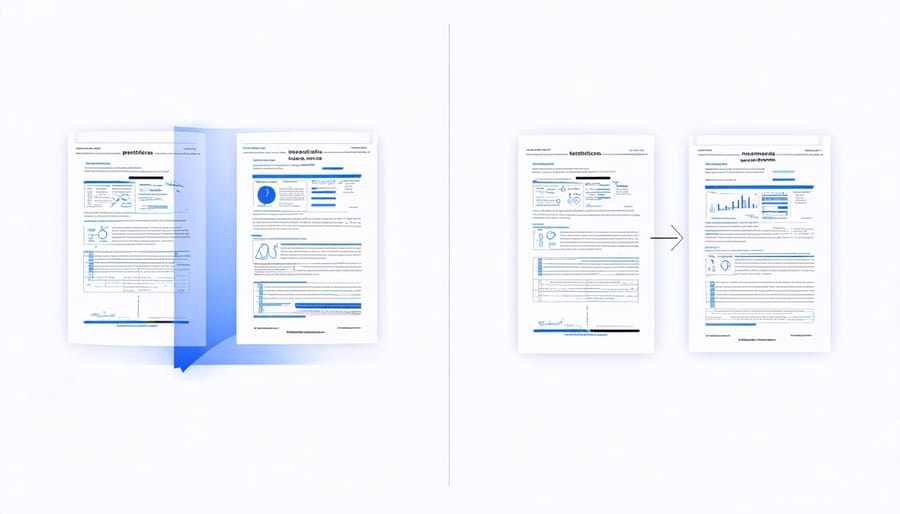
Healthcare providers face numerous bottlenecks that impede efficient service delivery and patient care. One of the most significant challenges is manual data entry, where staff spend countless hours inputting patient information, insurance details, and medical records into various systems. This repetitive task not only consumes valuable time but also increases the risk of human error.
Appointment scheduling and management present another major bottleneck, with staff juggling multiple calendars, handling cancellations, and managing waitlists manually. Insurance verification and claims processing often create delays in both patient care and revenue cycles, as these processes typically require staff to navigate multiple portals and systems.
Clinical documentation also poses challenges, with healthcare providers spending significant time updating electronic health records (EHRs) and ensuring compliance with documentation requirements. Additionally, inventory management and supply chain tracking remain largely manual in many facilities, leading to inefficiencies in stock management and procurement.
These bottlenecks not only affect operational efficiency but also impact patient satisfaction and care quality, making them prime candidates for automation solutions.
Cost Benefits of RPA Implementation
Healthcare organizations implementing RPA solutions can achieve significant cost savings across multiple operational areas. By following proven RPA implementation strategies, facilities typically see a 30-50% reduction in processing costs for automated tasks. The most immediate financial benefits come from reducing manual data entry, which cuts labor costs and minimizes expensive human errors in billing and claims processing.
Automation of appointment scheduling and reminder systems can decrease no-show rates by up to 25%, directly improving revenue capture. Additionally, RPA streamlines insurance verification and claims processing, reducing denial rates and accelerating reimbursement cycles. Healthcare providers often report ROI within 6-12 months of implementation.
For smaller practices, using Raspberry Pi-based RPA solutions offers an especially cost-effective approach, with hardware costs typically under $100 per automation node. This affordable entry point, combined with open-source software options, makes automation accessible even for facilities with limited IT budgets while delivering enterprise-level efficiency gains.
Building RPA Solutions with Raspberry Pi
Hardware Requirements
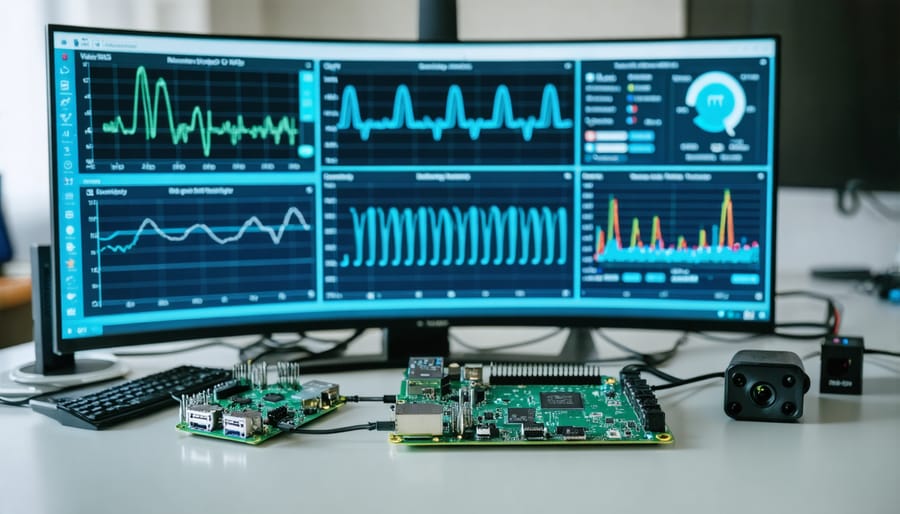
To implement RPA solutions in healthcare environments, specific hardware components are essential for optimal performance and reliability. At the core of the system, a Raspberry Pi 4 Model B with at least 4GB RAM serves as an efficient and cost-effective processing unit. This should be paired with a minimum 64GB high-speed microSD card for adequate storage and quick data access.
For seamless integration with existing healthcare systems, the setup requires stable network connectivity through either ethernet or Wi-Fi. A dedicated power supply unit rated at 5V/3A ensures consistent operation, while a proper cooling solution (either passive or active) maintains optimal system temperatures during extended processing tasks.
Additional hardware requirements include:
– USB ports for peripheral connections
– HDMI output for monitoring and configuration
– GPIO pins for sensor integration
– Camera module for document scanning capabilities
– Barcode scanner for patient identification
– Touch screen display for user interface
For enhanced security and data protection, hardware encryption modules can be integrated through the GPIO pins. Environmental considerations are also important – the hardware should be housed in a dust-resistant case suitable for medical environments, with proper ventilation to prevent overheating.
When scaling the RPA system, multiple Raspberry Pi units can be clustered together to handle increased workloads, though each unit should maintain independent power supplies and network connections for redundancy.
Software Stack Configuration
The software stack for implementing RPA in healthcare environments using Raspberry Pi combines several key components for optimal performance. Python serves as the primary programming language due to its extensive libraries and ease of use. Essential Python packages include OpenCV for image processing, TensorFlow Lite for machine learning capabilities, and PyAutoGUI for automation control.
To enhance system responsiveness and facilitate real-time processing, the implementation leverages edge computing capabilities. This setup requires Node-RED for workflow automation and MongoDB for local data storage and management.
The stack also includes specialized healthcare integration tools such as HL7 libraries for medical data interchange and DICOM toolkit for medical imaging compatibility. For security compliance, OpenSSL handles encryption, while OAuth2 manages authentication protocols.
Key software components:
– Raspbian OS (latest version)
– Python 3.7+
– Node-RED
– MongoDB
– OpenCV
– TensorFlow Lite
– PyAutoGUI
– HL7 libraries
– DICOM toolkit
– OpenSSL
– OAuth2 implementation
Regular system updates and security patches are crucial for maintaining HIPAA compliance and ensuring smooth operation of the automation workflows. The stack configuration should be documented and version-controlled using Git for effective maintenance and troubleshooting.
Security Considerations
When implementing robotic process automation in healthcare settings, security considerations must be at the forefront of any deployment strategy. HIPAA compliance is non-negotiable, requiring strict adherence to privacy regulations and data protection protocols. Healthcare organizations must ensure that all automated processes maintain patient confidentiality and handle Protected Health Information (PHI) with appropriate safeguards.
Essential security measures include end-to-end encryption for data transmission, secure authentication protocols for RPA bot access, and comprehensive audit trails of all automated activities. Role-based access control (RBAC) should be implemented to restrict bot permissions based on specific tasks and data requirements. Regular security assessments and vulnerability scanning help identify potential risks before they can be exploited.
Healthcare providers should also implement data masking techniques when RPA bots handle sensitive information, ensuring that only necessary data points are visible to authorized personnel. Backup systems and disaster recovery plans must be in place to maintain data integrity and service continuity.
To maintain HIPAA compliance, organizations should:
– Document all automated processes and their security controls
– Implement automatic logging of bot activities
– Regularly update security protocols and patches
– Conduct periodic staff training on security best practices
– Maintain encrypted communication channels
– Perform regular security audits
Remember that security measures should be reviewed and updated regularly to address emerging threats and maintain compliance with evolving healthcare regulations.
Real-World Applications
Patient Data Management
Patient data management is one of the most crucial applications of robotic process automation in healthcare settings. By leveraging RPA solutions, healthcare facilities can streamline the handling of patient records, automate appointment scheduling, and reduce manual data entry errors that often plague traditional systems.
RPA bots can automatically extract patient information from various sources, including intake forms, medical histories, and test results, converting them into standardized digital records. This automation significantly reduces the time staff spend on paperwork while minimizing the risk of transcription errors. For instance, when a new patient fills out an online registration form, RPA tools can instantly populate the electronic health record (EHR) system with the provided information.
Appointment scheduling becomes more efficient through RPA implementation. Smart scheduling bots can analyze provider availability, patient preferences, and urgency levels to automatically book appointments. These systems can also send automated reminders, handle rescheduling requests, and update calendars in real-time, reducing no-show rates and improving resource utilization.
The automation of patient data management also enhances compliance with healthcare regulations. RPA systems can be programmed to follow strict data protection protocols, ensuring that sensitive patient information is handled according to HIPAA guidelines. This automated approach to data management not only improves operational efficiency but also helps healthcare providers maintain consistent regulatory compliance while delivering better patient care.
Inventory Management
In healthcare facilities, maintaining accurate inventory levels of medical supplies and equipment is crucial for patient care and operational efficiency. Raspberry Pi-based automation solutions are transforming this traditionally manual process into a streamlined, error-free system.
Using RFID sensors and barcode scanners connected to Raspberry Pi units, healthcare facilities can automatically track medical supplies from receipt to usage. The system monitors stock levels in real-time, triggering automatic reorder notifications when supplies reach predetermined thresholds. This prevents stockouts of critical items while reducing excess inventory costs.
Smart storage cabinets equipped with weight sensors and connected to Raspberry Pi devices can track the quantity of supplies automatically. When staff members remove items, the system updates inventory records instantly, ensuring accurate stock levels without manual counting. This technology is particularly valuable for high-value items like surgical instruments and specialized medical devices.
The automation system also maintains equipment maintenance schedules, tracking usage hours and alerting maintenance staff when preventive care is due. This extends equipment lifespan and ensures compliance with regulatory requirements. Additionally, the system can generate detailed reports on supply usage patterns, helping healthcare facilities optimize their procurement processes and reduce waste.
By implementing these automated inventory management systems, healthcare facilities can reduce administrative burden, minimize human error, and ensure critical supplies are always available when needed.
Claims Processing
In healthcare settings, claims processing represents one of the most time-consuming and error-prone administrative tasks. RPA systems excel at streamlining these processes by automating repetitive tasks like data entry, verification, and claim status tracking. These automated systems can process claims 24/7, reducing the average processing time from days to minutes while maintaining higher accuracy rates.
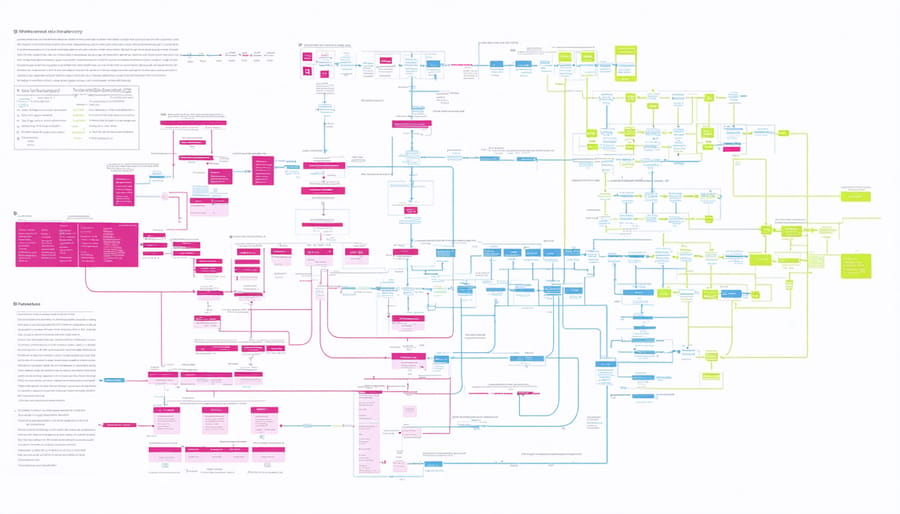
The automation workflow typically begins with intelligent document processing, where RPA bots scan and extract relevant information from various claim forms and supporting documents. These bots can validate insurance coverage, check for missing information, and verify compliance with billing rules in real-time. When discrepancies are detected, the system automatically flags them for human review, ensuring quality control while minimizing manual intervention.
Healthcare providers implementing RPA in claims processing have reported significant improvements in their revenue cycle management. The technology reduces claim denials by catching errors before submission and accelerates payment collection through automated follow-ups. Additionally, RPA bots can generate detailed analytics reports, helping organizations identify common billing issues and optimize their claims processes.
For smaller healthcare facilities, RPA offers a cost-effective solution to compete with larger organizations by maintaining efficient claims processing without expanding their administrative staff. The technology also adapts well to changing healthcare regulations and insurance requirements through simple bot reprogramming rather than extensive staff retraining.
Robotic Process Automation has revolutionized healthcare operations, transforming how medical institutions handle data, manage patient care, and streamline administrative tasks. The implementation of RPA solutions has demonstrated significant improvements in efficiency, accuracy, and cost reduction across various healthcare processes. From automating appointment scheduling and claims processing to managing electronic health records and inventory systems, RPA has become an indispensable tool in modern healthcare delivery.
The impact of RPA extends beyond mere operational efficiency. Healthcare providers have reported substantial improvements in patient satisfaction, as automation reduces wait times and minimizes errors in patient data management. Staff members can now focus more on patient care rather than repetitive administrative tasks, leading to better healthcare outcomes and increased job satisfaction among healthcare professionals.
Looking ahead, the future of RPA in healthcare appears incredibly promising. As artificial intelligence and machine learning capabilities continue to advance, we can expect to see more sophisticated automation solutions emerging. These developments will likely include improved natural language processing for patient communication, predictive analytics for preventive care, and more advanced integration with Internet of Things (IoT) devices for remote patient monitoring.
The adoption of RPA is expected to accelerate, particularly as healthcare organizations seek more cost-effective solutions to manage increasing patient loads and regulatory requirements. Future implementations may include more complex decision-making capabilities, enhanced security features, and seamless integration with emerging healthcare technologies.
However, successful implementation will require careful consideration of data security, regulatory compliance, and staff training. Healthcare organizations must continue to invest in proper infrastructure and maintain a balance between automation and human interaction in patient care.
As we move forward, RPA will undoubtedly play a crucial role in shaping the future of healthcare delivery, making it more efficient, accessible, and patient-centered while helping healthcare providers maintain high standards of care in an increasingly complex healthcare landscape.