


Artificial Intelligence and robotics are revolutionizing healthcare delivery, transforming everything from surgical procedures to patient care management. Leading hospitals worldwide now deploy AI-powered robots for tasks ranging from medication distribution to minimally invasive surgeries, reducing human error by up to 80% while improving patient outcomes. These smart machines, equipped with advanced sensors and machine learning algorithms, work alongside healthcare professionals to streamline operations, enhance precision in medical procedures, and provide 24/7 patient monitoring capabilities.
The integration of AI robotics in healthcare isn’t just about automation – it’s about augmenting human capabilities with machine precision and tireless consistency. From robot-assisted surgery systems that provide surgeons with enhanced dexterity and visualization to autonomous mobile robots that handle logistics in hospital corridors, these technologies are addressing critical challenges in healthcare delivery. Small-scale implementations using platforms like Raspberry Pi are enabling healthcare facilities to develop custom robotics solutions for specific needs, making advanced automation accessible even with limited resources.
As we stand at the intersection of AI, robotics, and healthcare, the potential for innovation seems limitless. Current applications demonstrate remarkable improvements in operational efficiency, patient safety, and treatment outcomes, while emerging technologies promise even more groundbreaking advancements in personalized care delivery.
Building Smart Medical Assistants with Raspberry Pi
Essential Hardware Components
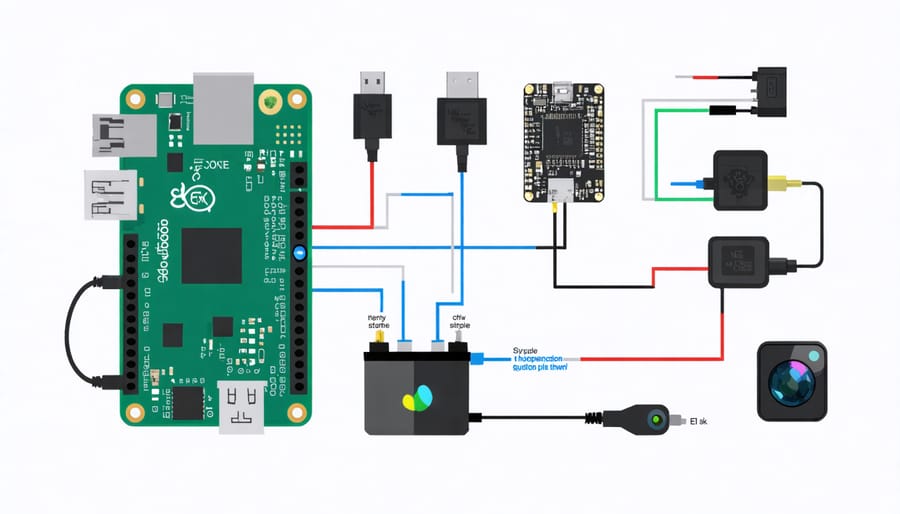
Modern healthcare robotics relies on several critical hardware components that work together to create effective AI-powered solutions. Similar to Raspberry Pi automation solutions, these systems require precise sensors for environmental awareness and patient monitoring. Key components include high-resolution cameras for visual recognition, depth sensors for spatial awareness, and tactile sensors for safe physical interaction.
Actuators form another crucial element, utilizing servo motors and pneumatic systems for precise movement control. These must be medical-grade and capable of smooth, controlled motions for patient safety. Force-feedback sensors ensure gentle interactions during physical contact.
Processing units, such as specialized medical-grade computers or enhanced single-board computers, handle the AI algorithms and real-time data processing. These are complemented by safety-critical hardware like emergency stop systems and redundant power supplies.
Communication hardware, including secure wireless modules and ethernet connections, enables real-time data exchange with hospital systems while maintaining patient privacy and data security. The integration of these components creates robust platforms for healthcare applications ranging from surgery assistance to patient care.
Software Integration Basics
When building AI-powered healthcare robots with Raspberry Pi, selecting the right software stack is crucial for success. Popular frameworks like TensorFlow Lite and OpenCV provide excellent starting points, offering optimized performance for machine learning tasks on resource-constrained devices. These frameworks, combined with edge computing capabilities, enable real-time processing of medical data and patient monitoring.
Python remains the preferred programming language for Raspberry Pi robotics, supported by libraries such as NumPy and scikit-learn for data analysis. ROS (Robot Operating System) integration provides a robust foundation for controlling robotic components and managing sensor data. For healthcare-specific applications, frameworks like Med7 and ClinicalBERT offer pre-trained models for medical text processing and diagnosis assistance.
To ensure smooth operation, it’s recommended to use Raspbian OS with proper GPIO libraries and sensor drivers. Docker containers can help manage different software dependencies and ensure consistent deployment across multiple devices, making it easier to scale healthcare robotics solutions.
Real-World Applications in Modern Healthcare
Surgical Assistance Systems
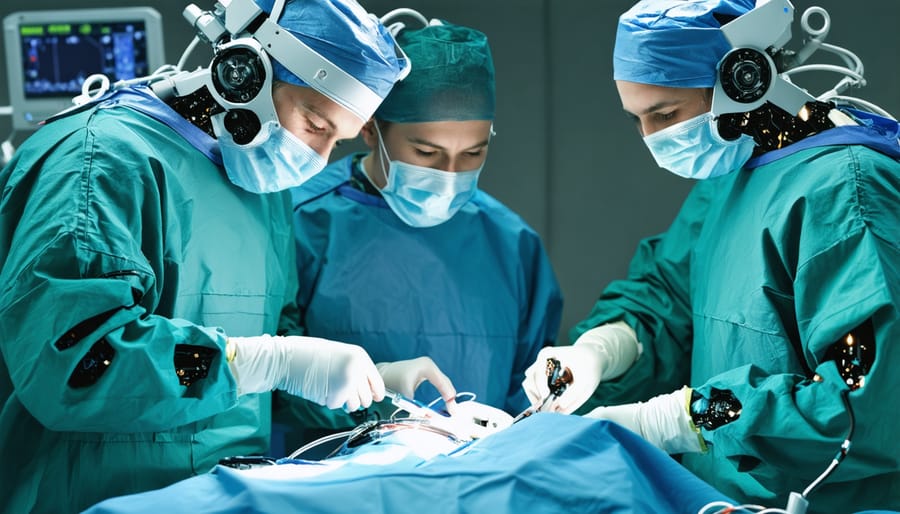
Surgical assistance systems powered by AI and robotics have revolutionized modern operating rooms, bringing unprecedented precision and control to surgical procedures. These systems combine advanced computer vision, machine learning algorithms, and precise robotic arms to assist surgeons in performing complex operations.
The da Vinci Surgical System, one of the most widely adopted platforms, enables surgeons to perform minimally invasive procedures through tiny incisions using robot-assisted tools. The system translates the surgeon’s hand movements in real-time while filtering out natural hand tremors, resulting in smoother and more precise actions.
AI enhancement adds another layer of capability by analyzing real-time surgical data and providing intelligent assistance. Computer vision systems can identify anatomical structures, track surgical instruments, and alert surgeons to potential risks. Machine learning algorithms can suggest optimal approaches based on thousands of previous procedures, helping surgeons make informed decisions during critical moments.
These systems also enable remote surgery capabilities, where experts can perform procedures from different locations. The integration of haptic feedback technology allows surgeons to “feel” tissue resistance and texture through the robotic interface, making the experience more intuitive.
Recent developments include autonomous surgical robots that can perform specific tasks independently, such as suturing or tissue removal, under human supervision. These advancements are particularly valuable for standardized procedures where precision and consistency are crucial for patient outcomes.
Patient Care Automation
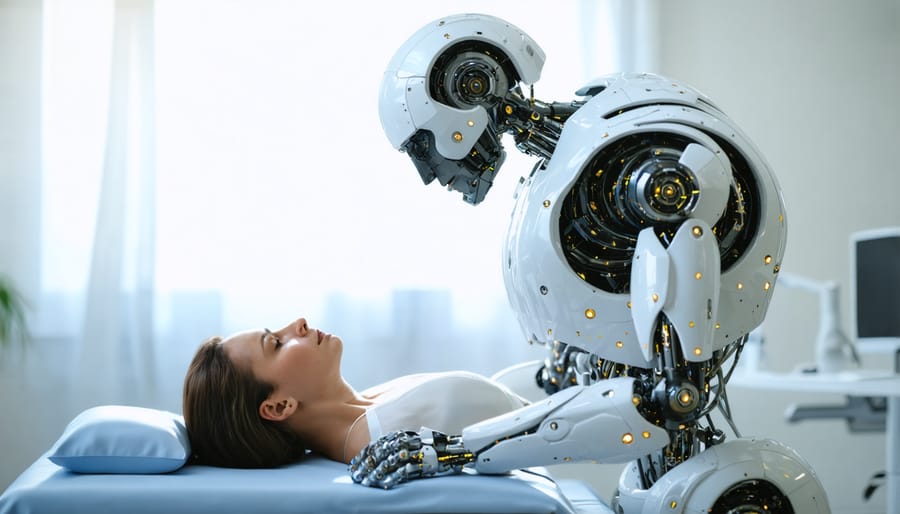
In modern healthcare facilities, AI-powered robots are increasingly taking on routine patient care tasks, improving efficiency and allowing medical staff to focus on more complex responsibilities. These collaborative robots assist with various essential duties, from medication delivery to patient monitoring.
Smart delivery robots navigate hospital corridors autonomously, transporting medications, meals, and supplies to patient rooms. These systems use advanced mapping algorithms and sensors to avoid obstacles and select optimal delivery routes, ensuring timely service while reducing the workload on healthcare staff.
Patient monitoring robots equipped with cameras and sensors track vital signs and movement patterns, alerting medical staff to any concerning changes. Some models can even engage in basic communication with patients, providing reminders for medication schedules or responding to simple queries.
Assistance robots help with patient mobility, supporting individuals during physical therapy sessions or helping them move safely from beds to wheelchairs. These robots use pressure sensors and adaptive algorithms to provide just the right amount of support while maintaining patient safety.
Sanitization robots equipped with UV-C light or disinfectant sprayers automatically clean patient rooms and common areas, reducing the risk of hospital-acquired infections. These systems can operate during off-hours, ensuring consistent cleaning protocols without disrupting patient care activities.
Rehabilitation Robotics
Rehabilitation robotics represents one of the most promising applications of AI in healthcare, particularly in physical therapy and recovery programs. These smart robotic systems combine advanced sensors, machine learning algorithms, and precise mechanical control to assist patients in regaining mobility and function after injuries or surgeries.
Modern rehabilitation robots can adapt their assistance levels based on real-time patient performance data, creating personalized therapy sessions that progressively challenge patients while preventing overexertion. For example, robotic exoskeletons equipped with AI can help stroke patients relearn walking patterns by providing just the right amount of support at each stage of recovery.
These systems excel at maintaining consistent, repetitive movements crucial for neural plasticity and muscle memory development. They also collect detailed performance metrics, allowing therapists to track progress objectively and adjust treatment plans accordingly. Some advanced systems even incorporate gamification elements, making therapy sessions more engaging and motivating for patients.
The integration of computer vision and force feedback sensors enables these robots to monitor patient movements with incredible precision, ensuring exercises are performed correctly and safely. This technology proves particularly valuable in situations where therapist availability is limited, as robots can safely guide patients through prescribed exercises while maintaining proper form and intensity levels.
Recent developments have also introduced more affordable and compact rehabilitation robots, making this technology increasingly accessible to smaller clinics and home-based therapy programs.
Security and Privacy Considerations
Data Protection Protocols
In healthcare robotics, protecting patient data is as crucial as the technological innovations themselves. The implementation of robust security protocols follows a multi-layered approach, starting with end-to-end encryption for all data transmission between robotic systems and healthcare databases. This includes AES-256 encryption standards and secure SSL/TLS protocols for network communications.
Access control mechanisms play a vital role, utilizing biometric authentication and role-based access control (RBAC) systems to ensure only authorized personnel can interact with robotic systems and access patient information. Healthcare organizations typically implement two-factor authentication and regular security audits to maintain data integrity.
Data storage solutions incorporate HIPAA-compliant encryption at rest, with separate encryption keys for different data categories. Regular backup procedures and disaster recovery protocols ensure data availability while maintaining security standards. Automated logging systems track all interactions with patient data, creating detailed audit trails for compliance and security monitoring.
For AI-powered robots, additional measures include secure model training environments, segregated testing networks, and regular vulnerability assessments. Real-time monitoring systems detect and respond to potential security breaches, while automated patch management keeps security protocols current.
Organizations must also conduct regular staff training on data protection protocols and maintain up-to-date documentation of security procedures. This comprehensive approach ensures that AI robotics can advance healthcare delivery while maintaining the highest standards of patient data protection.
Compliance Requirements
When implementing AI robotics in healthcare settings, adherence to strict regulatory requirements is paramount. Healthcare organizations must comply with HIPAA (Health Insurance Portability and Accountability Act) regulations, particularly concerning patient data protection and privacy. This includes securing all robotic systems that collect, process, or store patient information.
FDA approval is essential for AI-powered medical devices and robots, falling under either Class I, II, or III medical device categories depending on their intended use and risk level. For developers working with Raspberry Pi-based healthcare robotics, implementing proper encryption protocols and secure communication channels is crucial to meeting these requirements.
Quality management systems must align with ISO 13485 standards for medical devices, while ISO/IEC 62304 governs medical device software development. Additionally, systems must conform to IEC 60601-1 standards for electrical medical equipment safety.
When developing healthcare robotics solutions, teams should implement comprehensive documentation processes, including risk management protocols (ISO 14971) and regular security audits. Change management procedures must be established to track and validate system updates or modifications.
For international deployment, developers need to consider region-specific regulations such as the EU’s MDR (Medical Device Regulation) and GDPR requirements for data protection. Regular compliance audits and updates to security protocols help ensure continued adherence to evolving healthcare standards.
Future Development Opportunities
The future of AI robotics in healthcare presents exciting opportunities for innovation and improved patient care. As technology continues to advance, we’re seeing the emergence of more sophisticated autonomous navigation systems that enable robots to move more efficiently through hospital environments.
One particularly promising area is the development of miniaturized surgical robots powered by advanced AI algorithms. These systems could potentially perform micro-precise procedures with minimal invasiveness, reducing recovery times and improving outcomes. By incorporating machine learning capabilities, these robots could adapt to individual patient anatomies in real-time.
Personalized care robots are another frontier, with AI-powered assistants capable of monitoring patients 24/7 and providing customized support based on individual needs. These robots could integrate with smart home systems, making them particularly valuable for elderly care and rehabilitation services.
The integration of natural language processing and emotional recognition capabilities will enable healthcare robots to better understand and respond to patient needs. This advancement could revolutionize mental health care delivery and patient communication, especially in regions with limited access to healthcare professionals.
Emerging developments in soft robotics and biomimetic design promise to create more human-friendly interfaces. These innovations could lead to more natural interactions between patients and robotic caregivers, reducing anxiety and improving treatment adherence.
For developers and enthusiasts working with platforms like Raspberry Pi, these advancements present exciting opportunities to contribute to healthcare robotics. The increasing availability of open-source AI tools and affordable hardware components makes it possible to prototype and test innovative healthcare solutions at a fraction of traditional costs.
Critical areas for future development include enhanced sensor integration, improved battery life, and more robust security protocols to protect patient data. As these technologies mature, we can expect to see more accessible and efficient healthcare delivery systems that benefit both patients and healthcare providers.
The integration of AI robotics in healthcare represents a transformative shift in how we approach patient care and medical procedures. Throughout this exploration, we’ve seen how these technologies are revolutionizing everything from surgical precision to patient monitoring and rehabilitation. The combination of artificial intelligence with robotic systems has created unprecedented opportunities for healthcare providers to deliver more accurate, efficient, and personalized care.
As we look toward the future, the potential for AI robotics in healthcare continues to expand. Emerging developments in machine learning algorithms, sensor technologies, and robotic mechanisms suggest even more sophisticated applications on the horizon. We can expect to see more autonomous systems working alongside healthcare professionals, enhanced diagnostic capabilities through AI-powered imaging analysis, and more sophisticated rehabilitation robots that adapt in real-time to patient progress.
For tech enthusiasts and developers interested in contributing to this field, platforms like Raspberry Pi provide an accessible entry point for experimenting with healthcare robotics projects. The open-source nature of these technologies, combined with growing community support, makes it possible for innovators to prototype and test new healthcare solutions.
However, it’s crucial to remember that while AI robotics offers remarkable possibilities, the goal remains to augment and support healthcare professionals rather than replace them. The future of healthcare lies in the thoughtful integration of these technologies to create more efficient, accurate, and accessible medical care for all.