

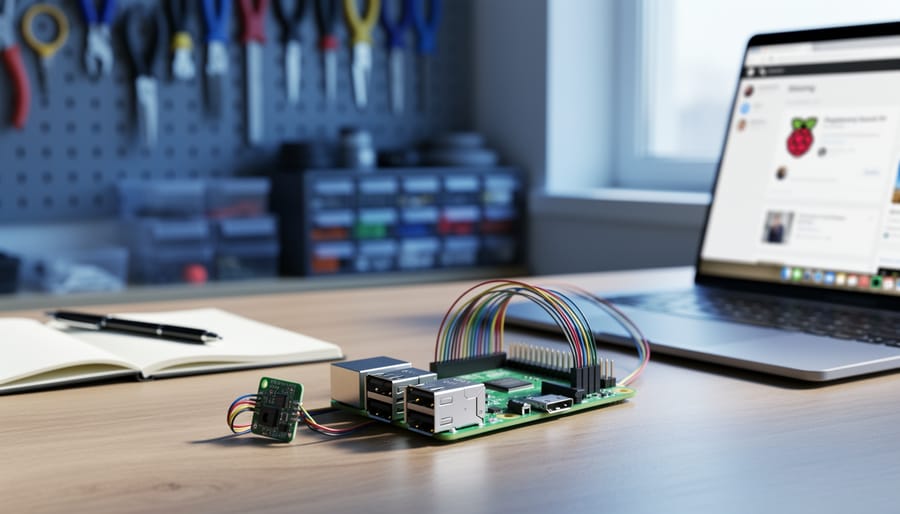
Identify authoritative Raspberry Pi blogs and forums where your target audience actively engages, then reach out with well-crafted pitches that demonstrate your understanding of their community’s specific interests. A dedicated Raspberry Pi guest posting service streamlines this entire process by leveraging established relationships with high-traffic maker sites, educational platforms, and tech communities that your ideal readers already trust.
Leverage guest posts strategically to position yourself as a subject matter expert while building quality backlinks that improve your site’s search rankings. Focus on publications that attract hands-on learners, educators implementing classroom projects, and hobbyists seeking practical tutorials rather than casting a wide net across generic tech sites.
Evaluate potential services by examining their portfolio of published placements, specifically looking for domains with engaged comment sections and active social sharing. Quality matters far more than quantity when your audience consists of discerning makers who value authentic expertise over promotional content.
Create guest content that solves specific problems your target readers face, such as troubleshooting common GPIO issues, optimizing performance for resource-intensive projects, or comparing component options for budget builds. Services that understand this niche will guide you toward topics that resonate rather than pushing generic content that fails to engage the Raspberry Pi community’s unique interests and technical literacy level.
What Makes Raspberry Pi Guest Posting Different from General Tech Writing
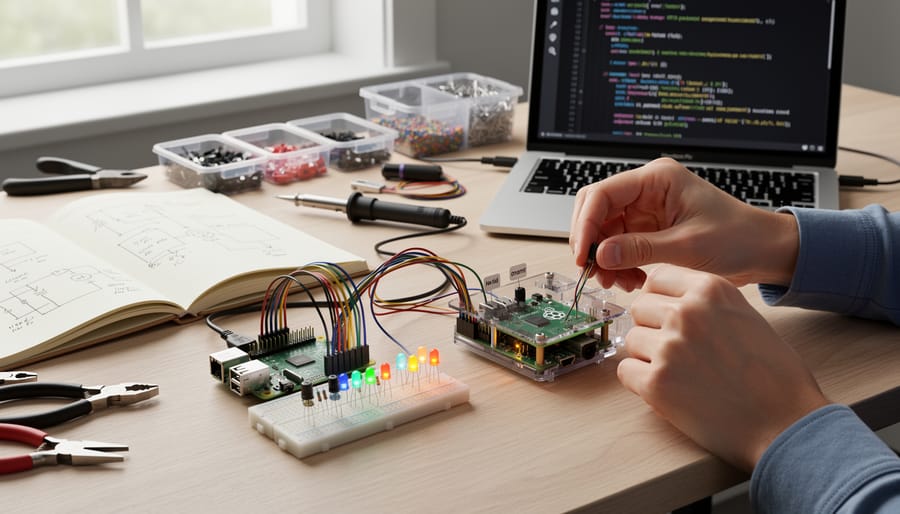
The Raspberry Pi Community’s Content Preferences
Understanding what the Raspberry Pi community wants to read is essential for successful guest posting. Enthusiasts gravitate toward content that combines practical knowledge with creative inspiration. Tutorials remain the most popular format, particularly step-by-step guides that walk readers through building functional projects from start to finish. Think comprehensive instructions on creating a 4G LTE rotating proxy or guides for solar-powered Raspberry Pi projects.
Project ideas spark creativity and encourage community members to experiment. Articles showcasing unique applications, from home automation systems to retro gaming consoles, consistently generate engagement. Hardware comparisons help readers make informed purchasing decisions, whether they’re choosing between Raspberry Pi models or selecting compatible peripherals.
The community also values real-world applications that solve everyday problems. Content demonstrating how Raspberry Pi can automate tasks, enhance security, or improve learning experiences resonates strongly with both beginners and experienced makers. When creating guest posts, focus on providing actionable takeaways that readers can immediately implement, complete with clear explanations of technical concepts and troubleshooting tips.
Technical Depth vs. Accessibility Balance
One of the biggest challenges in Raspberry Pi guest posting is striking the right balance between technical depth and accessibility. Your content needs to engage experienced makers who want advanced techniques while remaining welcoming to newcomers exploring their first projects.
The most effective approach is layered writing. Start with clear explanations of core concepts using everyday language, then progressively introduce more technical details. For example, when discussing GPIO pins, begin with “the connection points that let your Pi talk to sensors and devices” before diving into voltage specifications or PWM functionality.
Consider structuring your posts with sections that cater to different skill levels. Include a “Quick Start” section for beginners who want immediate results, followed by “Going Deeper” segments for those ready to customize and experiment. This way, readers can choose their own adventure without feeling overwhelmed or underwhelmed.
Always define technical terms when first introduced, but don’t overexplain concepts that your audience likely understands. Phrases like “SSH into your Pi” are fine for intermediate readers, but add a quick parenthetical explanation for beginners. This inclusive approach ensures your guest posts deliver value across the entire Raspberry Pi community spectrum.
How Guest Posting Services Work for Raspberry Pi Content
Finding the Right Platforms for Your Content
Finding the right platforms for your Raspberry Pi guest posts is essential for reaching your target audience and maximizing your content’s impact. Start by identifying maker blogs and DIY electronics sites that regularly feature hands-on projects. These platforms appreciate detailed tutorials, whether you’re explaining running a game server or building custom IoT devices.
Educational websites and online learning platforms are excellent targets, especially those focused on STEM education and programming. They often seek beginner-friendly content that introduces coding concepts through practical Raspberry Pi applications.
Hardware review sites and tech news outlets provide another valuable avenue. These platforms welcome comparison articles, product reviews, and analysis pieces that help readers make informed purchasing decisions.
Programming tutorial sites, particularly those covering Python, Linux, and embedded systems, actively seek contributors who can break down complex concepts into digestible lessons. Look for communities on platforms like Hackster.io, Instructables, and specialized forums where your expertise will be valued.
When evaluating potential platforms, check their domain authority, engagement levels, and audience demographics to ensure alignment with your goals. Quality always trumps quantity in guest posting success.
Content Creation and Quality Standards
Quality Raspberry Pi guest posts stand out through three essential pillars: technical accuracy, practical viability, and genuine educational value. Technical accuracy means double-checking all code snippets, component specifications, and wiring diagrams before submission. Your project should be thoroughly tested on actual hardware to ensure readers won’t encounter frustrating errors when following along.
Project viability matters because readers invest time and money into these builds. Include clear parts lists with realistic pricing, specify skill levels upfront, and acknowledge potential challenges. A beginner-friendly GPIO LED project holds more value than an overly ambitious robotics build requiring specialized equipment most hobbyists don’t own.
Educational value separates excellent posts from mediocre ones. Explain the “why” behind each step, not just the “how.” Break down complex concepts like I2C communication or PWM signals into digestible explanations. Include troubleshooting tips based on your actual experience, and provide context about where this project fits within broader Raspberry Pi applications.
Strong guest posts also feature original photography, clean code formatting, and engaging introductions that hook readers immediately. Avoid copying existing tutorials or rehashing well-covered topics without adding fresh perspectives or improvements.

The Submission and Review Process
Understanding the submission and review process helps set realistic expectations when working with guest posting services. Typically, the journey begins with content submission, where you provide your completed article along with any supporting materials like images or code snippets. Most reputable services respond within 3-5 business days with initial feedback.
The editorial review phase examines your content for technical accuracy, readability, and alignment with the target site’s audience. Editors may request revisions to clarify complex concepts, add practical examples, or adjust the tone to match their platform’s style. This back-and-forth usually takes 1-2 weeks, depending on the scope of changes needed.
Once approved, expect a waiting period before publication, as many sites maintain editorial calendars. Premium services often provide transparent timelines and regular updates throughout the process. When your post goes live, quality services will share analytics showing traffic, engagement, and backlink performance. Keep communication channels open and be responsive to editor feedback. This collaborative approach not only speeds up publication but also increases your chances of securing future guest posting opportunities with the same platforms.
Real Benefits for Raspberry Pi Bloggers and Businesses
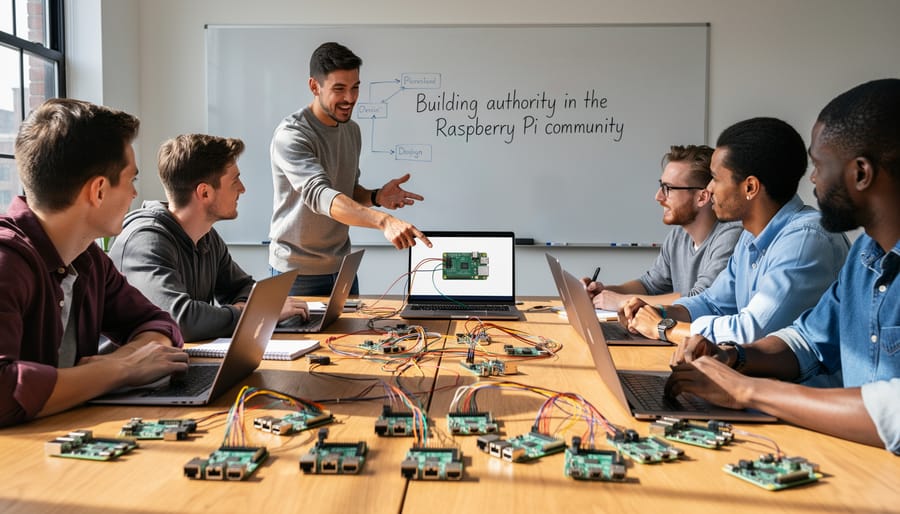
Building Authority in the Maker Community
Establishing authority in the Raspberry Pi community doesn’t happen overnight, but consistent guest posting accelerates the process significantly. When your tutorials and insights appear regularly across respected maker platforms, readers begin recognizing your name and expertise. Each published article serves as proof of your knowledge, whether you’re explaining GPIO pin configurations or comparing different operating systems for specific projects.
The beauty of guest posting is that you’re borrowing credibility from established sites while building your own. When a popular Raspberry Pi blog features your comparison article on single-board computers, their audience automatically associates you with quality content. Over time, this recognition translates into opportunities: speaking invitations, collaboration requests, and a loyal following who trusts your recommendations. Remember, authority comes from consistently delivering value, not self-promotion. Focus on solving real problems your fellow makers face, and your reputation will naturally grow.
SEO and Backlink Advantages
Quality backlinks from established Raspberry Pi and tech websites act as powerful endorsements in Google’s eyes, significantly boosting your site’s authority and search rankings. When reputable platforms in the maker community link to your content, search engines recognize your website as a trusted resource, improving your visibility for relevant keywords like “Raspberry Pi tutorials” or “IoT projects.” This increased discoverability means more organic traffic from people actively searching for Raspberry Pi solutions. Guest posting on niche-specific sites also places your content directly in front of engaged tech enthusiasts who are more likely to share, bookmark, and revisit your site. These targeted backlinks carry more weight than generic directory submissions because they demonstrate relevance and expertise within the Raspberry Pi ecosystem, creating a sustainable foundation for long-term SEO growth.
Growing Your Audience and Email List
Guest posting isn’t just about building backlinks—it’s a powerful tool for connecting with readers who genuinely care about your Raspberry Pi projects. When you contribute valuable content to established tech blogs and maker communities, you’re placing your expertise directly in front of people actively seeking solutions you can provide.
Each well-crafted guest post includes an author bio with a link back to your site, blog, or project page. This drives targeted traffic from readers already interested in similar topics. For example, if you write about home automation projects, you’ll attract readers looking to build their own systems—perfect candidates for your email newsletter or project updates.
To maximize results, include a compelling call-to-action in your author bio offering something valuable: a free project guide, exclusive tutorials, or early access to new builds. This converts casual readers into engaged subscribers who’ll follow your future work.
Choosing the Right Guest Posting Service for Raspberry Pi Content
Red Flags to Watch For
When evaluating guest posting services for Raspberry Pi content, stay alert for several warning signs that indicate poor quality. First, examine the target sites carefully. If a service offers placements on websites with no clear connection to tech, makers, or education, that’s a major red flag. Your guest posts should appear on platforms where Raspberry Pi enthusiasts actually spend their time, not on random blogs about unrelated topics.
Check the editorial standards of proposed sites. Look for spelling errors, broken links, or thin content that seems hastily assembled. Quality publications have clear editorial guidelines and won’t publish just anything. If a service promises guaranteed placement without editorial review, be cautious. Legitimate sites maintain standards to protect their readers and reputation.
Watch for services that use generic, templated content across multiple placements. Your Raspberry Pi projects and insights deserve original treatment, not recycled material. Additionally, be wary of services offering suspiciously cheap rates or promising unrealistic results like instant traffic spikes. Quality placements take time to research, create, and negotiate. Services that overpromise typically underdeliver, potentially damaging your credibility within the Raspberry Pi community rather than enhancing it.
Questions to Ask Before Hiring
Before committing to a Raspberry Pi guest posting service, ask these key questions to ensure you’re making a smart investment. Start with site quality: What is the domain authority of the target sites? Request specific examples of blogs where your content will appear and verify they’re legitimate, active Raspberry Pi or maker-focused platforms.
Next, dig into audience metrics. How much monthly traffic do these sites receive? What’s the demographic breakdown of their readers—are they beginners, advanced users, or educators? Understanding this helps ensure your content reaches the right people.
Clarify content ownership upfront. Will you retain full rights to republish the content elsewhere, or does the service require exclusivity? This matters if you want to repurpose articles for your own blog later.
Ask about placement guarantees. How many sites will feature your content, and what’s the timeline? Are there revision policies if the initial draft doesn’t meet expectations? Finally, inquire about reporting—will you receive analytics showing traffic, engagement, and backlink performance? These answers help you assess whether the service delivers genuine value or just empty promises.
Pricing Models and What to Expect
Guest posting services for Raspberry Pi content typically operate on several pricing models. Per-post pricing ranges from $150 to $500, depending on the target site’s authority and audience size. Monthly retainer packages often start around $800 for 2-3 placements, offering better value for consistent outreach campaigns.
Fair pricing should reflect genuine editorial outreach, quality content creation, and placements on niche-relevant tech blogs with engaged Raspberry Pi communities. Be cautious of services offering guaranteed placements for under $100, as these often involve low-quality sites or automated submissions that won’t deliver meaningful traffic or SEO benefits.
Most reputable services include content writing, site research, and relationship management in their fees. Some charge separately for content creation versus placement services. When evaluating costs, consider the time you’d spend doing outreach yourself and the quality of domains secured. Premium services targeting established maker blogs and educational technology sites naturally command higher prices but deliver better audience engagement and backlink value.
DIY vs. Service: When to Hire Help with Your Guest Posting
The DIY Approach: Pros and Cons
Taking the DIY route for guest posting has distinct advantages and challenges worth considering. On the positive side, personal outreach allows you to build genuine relationships with blog owners and editors in the Raspberry Pi community. You maintain complete control over your content quality, messaging, and brand voice. This authenticity resonates well with tech enthusiasts who value transparent, peer-to-peer communication. Additionally, you save money by investing time instead of budget, which is ideal for hobbyists and educators with limited resources.
However, the drawbacks are significant. DIY guest posting demands substantial time investment—researching suitable blogs, crafting personalized pitches, creating quality content, and following up with editors. For someone already balancing projects and day jobs, this can become overwhelming. Your network of connections is naturally limited compared to established services that have pre-existing relationships across dozens of platforms. You’ll also face a steeper learning curve understanding what different publishers expect, potentially leading to more rejections initially. If you’re just starting out or need results quickly, these limitations might outweigh the benefits of going solo.
When a Service Makes Sense
Not everyone needs a guest posting service, but certain situations make them particularly valuable. If you’re running a Raspberry Pi blog or business and struggling to gain traction, a service might be your answer.
Consider hiring help when you’re scaling your content strategy but lack the bandwidth to research publishers, pitch ideas, and manage relationships. Guest posting is time-intensive, and if you’re already creating projects and tutorials for your own platform, outsourcing outreach makes practical sense.
Connection gaps also justify the investment. Established services have networks within the maker community that take years to build independently. If you’re new to the Raspberry Pi blogging scene or haven’t cultivated relationships with major tech publications, a service provides immediate access to quality platforms.
Time constraints are the most common reason creators turn to services. Between building projects, testing hardware, and documenting your work, there simply aren’t enough hours to cold-pitch editors and follow up consistently. If guest posting keeps falling to the bottom of your priority list despite knowing its benefits, delegating this task lets you focus on what you do best: creating compelling Raspberry Pi content while professionals handle the placement strategy.
Creating Guest Post Content That Gets Accepted
Pitch Ideas That Editors Love
Editors are always on the lookout for content that delivers real value to their readers. Focus on pitching topics that showcase practical applications and solve common problems. Unique project ideas tend to perform exceptionally well, especially when they put a fresh spin on familiar concepts. For instance, articles featuring smart Raspberry projects that integrate IoT functionality or home automation always attract strong readership.
Troubleshooting guides are editorial gold because they address real pain points that Raspberry Pi users frequently encounter. Think along the lines of “How to Fix SD Card Boot Issues” or “Solving Overheating Problems in Extended Projects.” Comparison articles also resonate strongly, whether you’re evaluating different operating systems, accessories, or alternative single-board computers.
Don’t overlook the power of beginner-friendly tutorials. Many readers are just starting their Raspberry Pi journey and appreciate step-by-step guides that break down complex concepts into manageable chunks. Projects that can be completed in an afternoon with minimal components tend to generate the most engagement and sharing across communities.
Writing Style and Formatting Best Practices
When crafting guest posts for Raspberry Pi audiences, adopt a conversational yet informative tone that welcomes readers at all skill levels. Structure your content with short paragraphs (3-4 sentences maximum) and clear subheadings that guide readers through complex topics step-by-step.
Visual elements are essential for technical content. Include high-quality images showing hardware connections, annotated diagrams explaining circuit layouts, and screenshots demonstrating software interfaces. For instance, when discussing a remote desktop setup, include before-and-after screenshots to illustrate the process clearly.
Code snippets should be properly formatted with syntax highlighting and preceded by brief explanations of what the code accomplishes. Always test your code before publishing and include comments within the code itself to help beginners understand each section’s purpose.
Make technical concepts accessible by introducing terminology gradually. When first mentioning GPIO pins or SSH connections, provide a one-sentence explanation before diving deeper. Use analogies that relate complex concepts to everyday experiences.
Break up lengthy tutorials with numbered steps, bulleted lists, and clear calls-to-action like “Try this yourself” or “Experiment with these settings.” Include troubleshooting tips addressing common mistakes beginners might encounter.
Balance technical depth with readability. Your goal is helping readers successfully complete projects while building their confidence to tackle more advanced challenges independently.
Guest posting represents a powerful strategy for establishing your presence in the Raspberry Pi community, whether you’re an educator sharing innovative classroom projects, a hobbyist documenting your latest creation, or a business looking to connect with makers and tech enthusiasts. Throughout this guide, we’ve explored how guest posting services can amplify your reach, build credibility, and position you as a trusted voice in this vibrant ecosystem.
The decision between managing guest posting yourself or partnering with a specialized service ultimately depends on your resources, goals, and timeline. DIY approaches offer complete control and deeper personal connections, while professional services provide expertise, established networks, and time savings that let you focus on what you do best: creating exceptional Raspberry Pi content.
Remember that building authority in the Raspberry Pi community isn’t an overnight achievement. It requires consistent effort, genuine engagement, and valuable contributions that help others succeed with their projects. Each guest post you publish plants a seed that can grow into lasting relationships, increased traffic, and recognition as a go-to resource.
Whether you choose to handle guest posting independently or enlist professional help, the key is to start now. Identify target publications, craft compelling pitches, and share your unique perspective with the community. The Raspberry Pi ecosystem thrives on shared knowledge and collaboration, and your contributions can make a meaningful difference while simultaneously growing your platform and influence.