

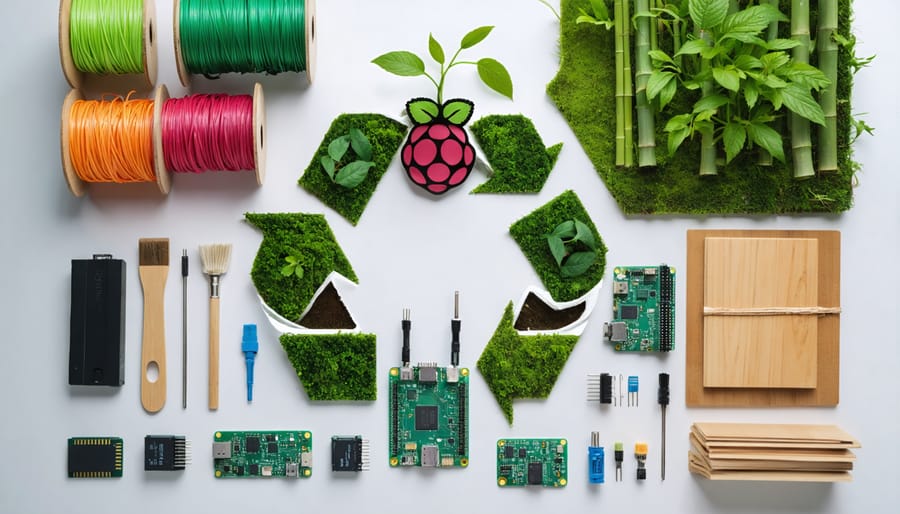
Transform your Raspberry Pi projects into eco-conscious innovations by integrating sustainable materials with cutting-edge digital fabrication techniques. From biodegradable PLA filaments for 3D printing to reclaimed electronics components, sustainable design choices dramatically reduce environmental impact while maintaining project functionality. Modern makers are revolutionizing digital fabrication by incorporating bamboo-based circuit boards, recycled aluminum heat sinks, and bio-based resins that deliver comparable performance to traditional materials.
The shift toward sustainable materials in tech projects isn’t just environmentally responsible—it’s becoming a competitive advantage. By selecting materials like recyclable conductive inks, plant-based insulation, and regenerative packaging solutions, makers can create projects that resonate with environmentally conscious users while pushing the boundaries of what’s possible with Raspberry Pi.
These innovations extend beyond individual components to encompass entire system designs, where circular economy principles guide material selection from project conception through end-of-life considerations. Smart material choices today enable easier recycling, repurposing, and biodegradation tomorrow, ensuring your creative projects contribute to a more sustainable future in technology.
Why Sustainable Materials Matter in Pi Projects
Environmental Impact of Traditional Electronics
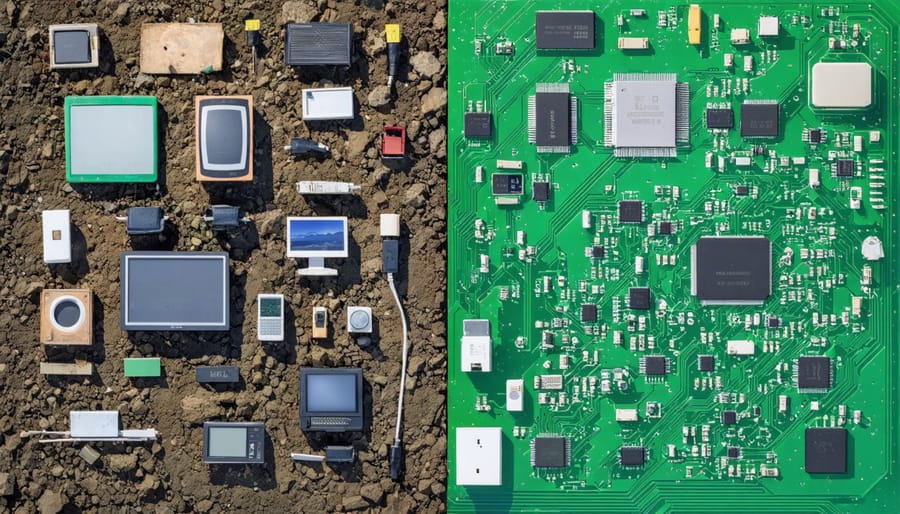
Traditional electronics manufacturing and disposal practices pose significant environmental challenges. The production of conventional circuit boards, components, and casings relies heavily on non-renewable resources and toxic materials. E-waste has become one of the fastest-growing waste streams globally, with millions of tons of electronic devices discarded annually.
The use of materials like lead, mercury, and flame retardants in traditional electronics not only poses environmental risks but also creates health hazards during disposal. Circuit boards typically contain precious metals that require extensive mining operations, contributing to habitat destruction and carbon emissions. Additionally, the plastic components used in conventional electronics can take hundreds of years to decompose, leading to long-term environmental impact.
Manufacturing processes for traditional electronics consume substantial energy and water resources, while also generating significant amounts of greenhouse gases. The lack of standardized recycling practices and the complexity of separating materials in electronic components further compounds the problem, as many devices end up in landfills where they leach harmful substances into soil and groundwater.
Benefits of Eco-Friendly Alternatives
Choosing eco-friendly materials for your Raspberry Pi projects offers multiple advantages that extend beyond environmental conservation. These sustainable alternatives significantly reduce your carbon footprint while providing excellent durability and performance. Many bio-based materials, such as PLA (Polylactic Acid) for 3D printing, break down naturally without releasing harmful chemicals into the environment.
Sustainable materials often require less energy to produce and process, resulting in lower overall project costs and reduced environmental impact. For instance, recycled aluminum cases for Raspberry Pi not only protect your board effectively but also consume 95% less energy to manufacture compared to new aluminum production.
These materials typically have a longer lifespan, reducing the need for frequent replacements and minimizing electronic waste. Many eco-friendly options also offer improved thermal properties and better resistance to wear and tear, ensuring your projects remain functional for extended periods.
Additionally, using sustainable materials in your projects can inspire others in the maker community to adopt environmentally conscious practices, creating a positive ripple effect in the tech ecosystem. This approach also aligns with growing environmental regulations and standards, future-proofing your designs for upcoming sustainability requirements.
Sustainable Case Materials for Your Pi
Biodegradable Plastics
In the world of 3D printing, PLA (Polylactic Acid) has emerged as a leading sustainable alternative to traditional plastics. Made from renewable resources like corn starch and sugarcane, PLA offers makers an eco-friendly option that’s both versatile and reliable. When combined with AI-assisted design tools, creators can optimize their PLA prints for both functionality and minimal material waste.
PLA’s biodegradability is a key advantage – under proper composting conditions, it breaks down into natural compounds within 3-6 months. This makes it ideal for prototyping and temporary structures, where environmental impact is a concern. The material prints at lower temperatures (180-220°C) compared to ABS, requiring less energy and making it perfect for Raspberry Pi-controlled 3D printers.
Other biodegradable options include PBAT (Polybutylene Adipate Terephthalate) and PHAs (Polyhydroxyalkanoates), which offer varying degrees of durability and decomposition rates. These materials work well with most standard 3D printer setups, though they may require some temperature and speed adjustments for optimal results.
When working with biodegradable filaments, it’s important to store them properly in airtight containers with desiccant packets, as they can absorb moisture from the air. This helps maintain print quality and extends the material’s shelf life while ensuring your sustainable making journey stays on track.
Reclaimed and Recyclable Materials
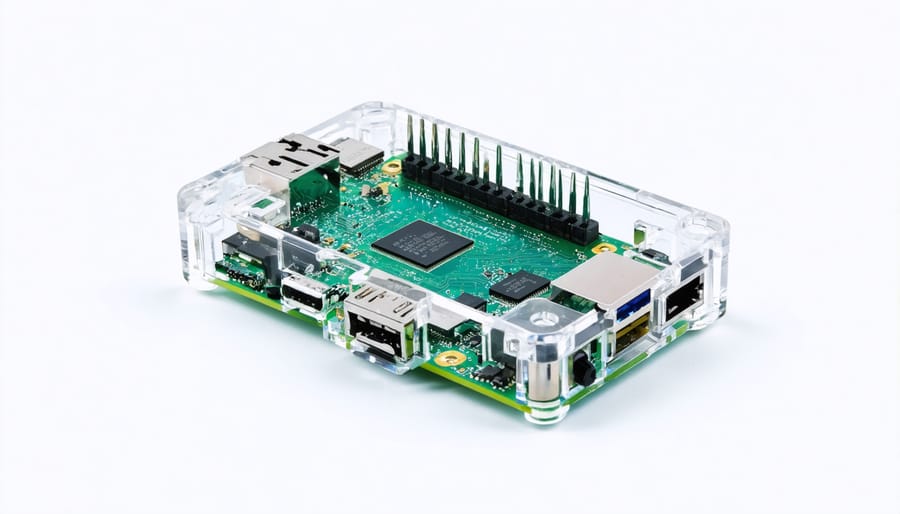
Incorporating reclaimed and recyclable materials into your Raspberry Pi projects not only reduces environmental impact but can also add unique character to your builds. Many makers are discovering creative ways to repurpose materials that would otherwise end up in landfills, turning them into functional project enclosures and components.
One popular approach is using recycled plastics for 3D printing project cases and mounts. Many filament manufacturers now offer options made from recycled PET bottles or industrial plastic waste. These materials perform similarly to virgin plastics while giving waste materials a second life. When designing with these materials, ensure your models are optimized for the slightly different properties of recycled filaments, such as potentially higher printing temperatures.
Reclaimed wood presents another excellent option for project enclosures. Old furniture, pallets, and construction remnants can be transformed into stylish housings for your Raspberry Pi setups. Before using reclaimed wood, ensure it’s properly cleaned and treated to remove any hazardous materials or residues. Look for wood that hasn’t been treated with harmful chemicals and consider using natural finishes to maintain the material’s recyclability.
Metal recycling offers robust options for project cases and heat sinks. Aluminum from old computer cases, drinks cans, or industrial scrap can be repurposed for custom enclosures. When working with recycled metals, check for compatibility with your project’s electrical requirements and ensure proper insulation.
To maintain the circular economy principle, design your projects with end-of-life considerations in mind. Use mechanical fasteners instead of adhesives where possible, making it easier to separate materials for future recycling. Label different materials clearly and avoid mixing materials in ways that make them difficult to separate later.
Remember to document your use of recycled materials in your project documentation. This helps inspire other makers and contributes to the growing knowledge base of sustainable making practices in the Raspberry Pi community.
Sustainable Components and Accessories
Energy-Efficient Components
Energy efficiency in sustainable design goes beyond just material selection, extending to the core components that power your Raspberry Pi projects. Low-power LEDs are an excellent starting point, consuming up to 90% less energy than traditional bulbs while lasting significantly longer. When selecting displays, opt for e-paper or OLED screens, which require minimal power during operation and can significantly reduce your project’s energy footprint.
Consider incorporating power management ICs (PMICs) that optimize voltage regulation and can automatically adjust power consumption based on load requirements. Modern PMICs can reduce standby power consumption to mere microwatts. Solar cells and energy harvesting modules can be integrated to create self-sustaining systems, particularly useful for outdoor or remote installations.
For processing units, utilize the Raspberry Pi’s built-in power management features. Enable sleep modes when full processing power isn’t needed, and implement voltage scaling for components that don’t require maximum power. USB peripherals should be selected with power efficiency in mind – look for devices with auto-sleep capabilities and low standby power draw.
Thermal management components like heat sinks and fans should be properly sized to prevent energy waste from excessive cooling. Consider passive cooling solutions where possible, as they require no additional power input while maintaining optimal operating temperatures.
Recyclable Electronics
In the realm of digital fabrication with Raspberry Pi, incorporating recyclable electronics has become increasingly crucial as makers embrace modern fabrication methods. The key to sustainable electronics lies in selecting components that can be easily disassembled and recycled at the end of their lifecycle.
When designing with recyclable electronics, prioritize modular components that can be separated without specialized tools. Look for parts marked with standardized recycling symbols and choose materials like aluminum, copper, and certain plastics that have established recycling streams. Many Raspberry Pi HATs and accessories now come with eco-friendly design considerations, making it easier to create sustainable projects.
Consider using solderless connections where possible, such as header pins and removable connectors, instead of permanent solutions. This approach not only facilitates repairs and upgrades but also ensures components can be easily separated for recycling. When selecting electronic components, opt for RoHS-compliant parts that are free from harmful substances like lead and mercury.
For project enclosures and structural elements, choose materials like recycled PLA or PETG filaments for 3D printing, which can be processed again at the end of their use. Many manufacturers now offer take-back programs for electronic components, making it easier to ensure proper disposal and recycling of used parts.
Practical Implementation Tips
Material Selection Guide
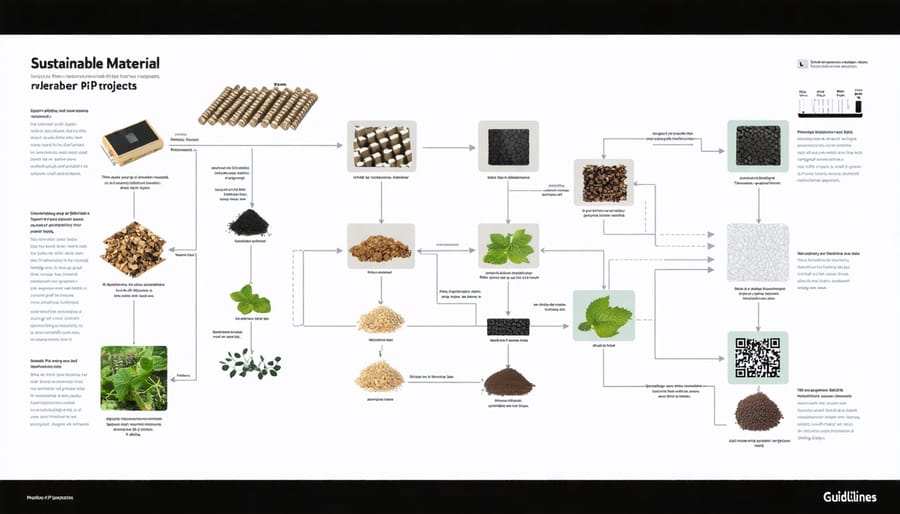
When selecting sustainable materials for your Raspberry Pi digital fabrication projects, consider three key factors: environmental impact, performance requirements, and project constraints. Start by evaluating the lifecycle of potential materials, from production to disposal. Bio-based plastics like PLA offer excellent printability and biodegradability, making them ideal for prototypes and optimized component designs.
For structural components, recycled materials like PETG or rPET provide durability while reducing plastic waste. These materials maintain consistent print quality and offer good temperature resistance, essential for electronic housing. Consider bamboo-based filaments for non-load-bearing decorative elements, as they combine natural aesthetics with sustainability.
Match material properties to your project’s specific needs. For outdoor installations, look for UV-resistant recycled materials. For components near electronic components, choose materials with appropriate heat resistance and flame-retardant properties. Always test materials in small batches before committing to larger prints.
Consider local availability and recycling capabilities when selecting materials. Some eco-friendly options may require specific printer modifications or temperature settings. Document successful material combinations and printer settings to build a sustainable material library for future projects. This approach ensures both environmental responsibility and project success.
Best Practices for Eco-Friendly Assembly
When assembling your sustainable Raspberry Pi projects, adopting eco-friendly practices is just as important as choosing green materials. Start by planning your assembly process to minimize waste – measure twice, cut once. Create detailed layouts before beginning to avoid mistakes that waste materials.
Use low-impact adhesives like water-based glues or natural alternatives when possible. If you need to use traditional adhesives, apply them sparingly and properly dispose of any excess. Consider mechanical fastening methods like screws or interlocking designs that allow for future disassembly and part reuse.
Keep your work area well-ventilated, especially when working with 3D printed materials or adhesives. Use reusable containers to store small components rather than disposable bags. When cutting materials, optimize your layouts to maximize material usage and minimize scraps.
Document your assembly process carefully. This helps others replicate your sustainable practices and allows you to refine your approach for future projects. If you generate waste during assembly, sort it properly for recycling. Many maker spaces and electronics stores accept electronic waste and unused components for proper disposal or reuse.
Clean and maintain your tools regularly to extend their lifespan. When possible, borrow or share specialized tools within your maker community rather than purchasing rarely-used items. Remember, sustainable assembly isn’t just about the final product – it’s about mindful practices throughout the entire building process.
As we’ve explored throughout this article, incorporating sustainable materials into Raspberry Pi projects isn’t just environmentally responsible – it’s a practical approach that can enhance your builds while reducing their ecological footprint. By choosing recycled plastics, biodegradable materials, and responsibly sourced components, makers can contribute to a more sustainable future without compromising on project quality or functionality.
Remember that every small choice matters. Whether you’re selecting recycled enclosures, opting for biodegradable filaments in your 3D printing projects, or repurposing existing materials, you’re helping to create a more sustainable maker community. The growing availability of eco-friendly alternatives makes it easier than ever to make environmentally conscious decisions in your Pi projects.
Looking ahead, the future of sustainable making is bright. As more manufacturers embrace environmental responsibility and new materials emerge, we’ll see even more options for green building. Consider making sustainability a key factor in your future project planning – from initial design to final implementation.
Start small, experiment with different sustainable materials, and share your experiences with the community. By working together and choosing earth-friendly alternatives, we can ensure that our passion for Pi projects contributes positively to environmental preservation while inspiring the next generation of makers to think sustainably.