
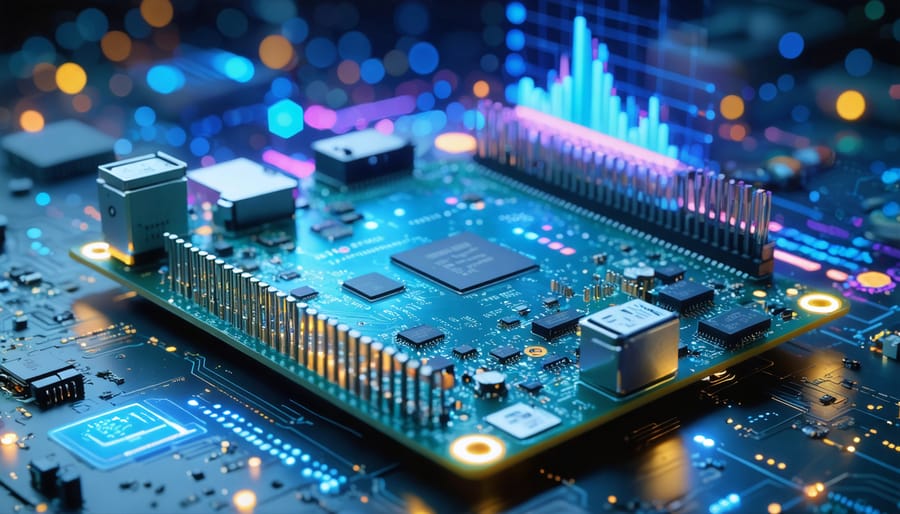
The Raspberry Pi 5 marks a quantum leap in single-board computing with its revolutionary features that transform how makers and tech enthusiasts approach their projects. Powered by a blazing-fast 2.4GHz quad-core processor, this compact powerhouse delivers performance up to three times faster than its predecessor, making it capable of handling demanding applications from machine learning to 8K video playback. The addition of PCIe 2.0 support, dual 4K display outputs, and enhanced GPIO capabilities opens new horizons for creators, while the improved thermal management system ensures sustained performance under heavy loads. Whether you’re a hobbyist building your next home automation system or an educator setting up a computer lab, the Pi 5’s combination of raw power, versatility, and accessibility makes it a compelling upgrade for the maker community.
Groundbreaking Performance Upgrades
2.4GHz Quad-Core CPU
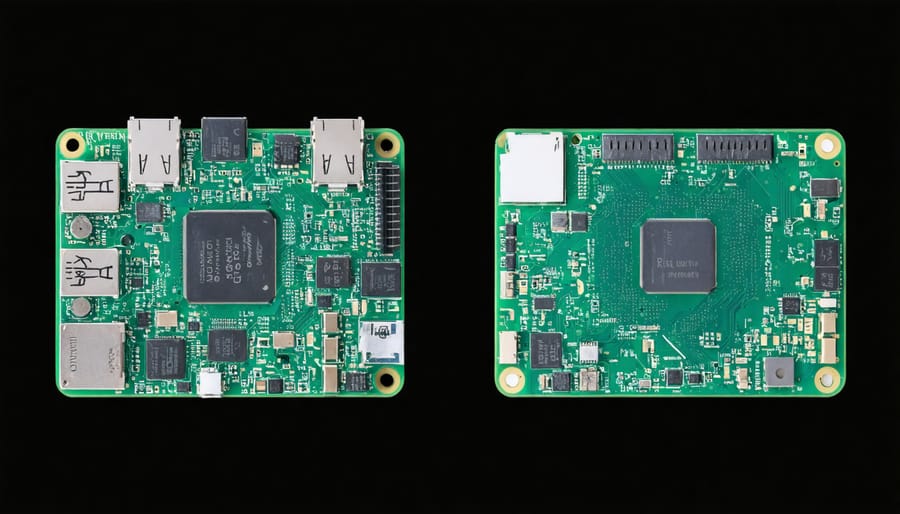
The Raspberry Pi 5’s quad-core CPU represents a significant leap forward from the previous Raspberry Pi 4, featuring the new Broadcom BCM2712 processor running at an impressive 2.4GHz. This powerful chip delivers up to three times the processing performance of its predecessor, making it suitable for more demanding applications and multitasking scenarios.
In real-world testing, the enhanced CPU architecture shows remarkable improvements in various tasks. Code compilation times are notably faster, with Python scripts executing up to 2.5 times quicker than before. Desktop applications launch more responsively, and web browsing feels significantly smoother, especially when handling multiple browser tabs simultaneously.
The quad-core design efficiently balances performance and power consumption, with each core capable of independent clock speed adjustment. This dynamic frequency scaling helps maintain optimal performance while managing heat output and energy usage. For makers and developers, this means more headroom for running complex applications, from machine learning projects to advanced robotics control systems.
The CPU’s improved thermal management system allows for sustained performance under load, reducing the likelihood of thermal throttling during intensive tasks. This makes the Pi 5 particularly well-suited for projects requiring consistent processing power over extended periods, such as home automation servers or media centers.
Enhanced Memory Architecture
The Raspberry Pi 5 introduces significant improvements in its memory architecture, offering enhanced performance for demanding applications and multitasking. The new model comes in two RAM configurations: 4GB and 8GB variants, both utilizing LPDDR5 memory technology. This upgrade from the previous LPDDR4 represents a substantial leap in memory bandwidth, enabling faster data transfer rates of up to 8,500 Mbps.
The memory subsystem has been completely redesigned to take advantage of this increased bandwidth. A new memory controller facilitates more efficient data handling between the CPU, GPU, and various system components. This architectural enhancement results in reduced latency and improved overall system responsiveness, particularly noticeable when running memory-intensive applications like machine learning models or video editing software.
One of the standout features is the implementation of a unified memory architecture, which allows for more flexible memory allocation between the CPU and GPU. This dynamic allocation ensures optimal resource utilization, adapting to different workload requirements in real-time. The system can now handle larger datasets and more complex calculations without the bottlenecks experienced in previous models.
For makers and developers, this enhanced memory architecture translates to smoother multitasking capabilities and faster project compilation times. Whether you’re running multiple containers, processing high-resolution images, or developing complex IoT applications, the improved memory bandwidth provides the headroom needed for seamless operation.
Revolutionary Graphics Capabilities
Dual 4K Display Support
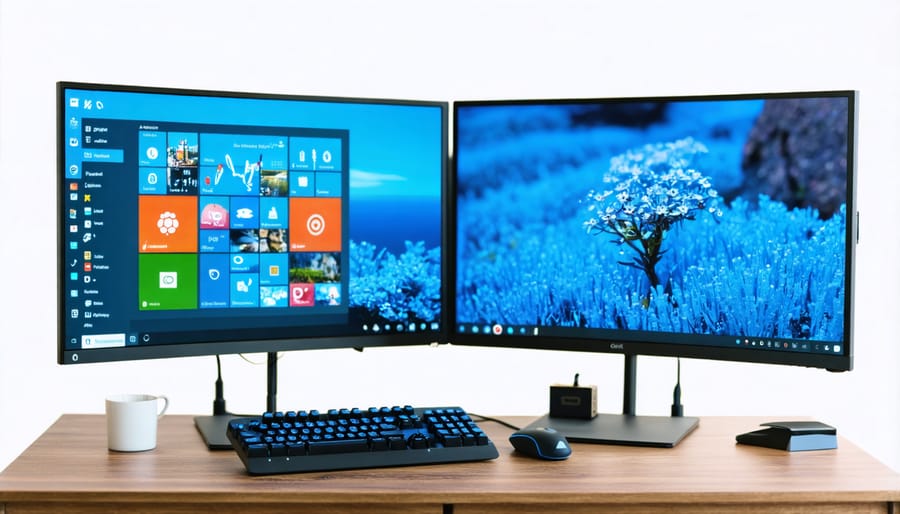
One of the most exciting features of the Raspberry Pi 5 is its ability to drive two 4K displays simultaneously, a significant upgrade from its predecessor. The board now includes two micro HDMI ports, each capable of supporting 4K resolution at an impressive 60Hz refresh rate. This dual-display capability opens up new possibilities for digital signage, gaming setups, and professional workstations.
The enhanced GPU architecture allows for smooth operation across both screens without compromising performance. Users can choose between mirrored displays or an extended desktop setup, making it ideal for multitasking and complex projects. The 4K@60Hz support ensures crisp, clear visuals with minimal motion blur, perfect for video playback and high-resolution graphics work.
What makes this feature particularly noteworthy is its implementation through the micro HDMI ports, which help maintain the Pi’s compact form factor while delivering professional-grade display capabilities. The dual monitor support is plug-and-play, requiring no additional configuration beyond the initial display settings adjustment in the operating system.
This dual 4K display feature represents a significant step forward in making the Raspberry Pi 5 a viable option for desktop computing and media center applications, where high-quality visual output is essential.
Enhanced Gaming Performance
The Raspberry Pi 5’s enhanced gaming capabilities represent a significant leap forward, thanks to its powerful GPU and improved processing architecture. The new VideoCore VII GPU delivers up to 2x the graphics performance of its predecessor, making it possible to run more demanding games and emulators with smoother frame rates and higher resolutions.
Gamers will appreciate the support for OpenGL ES 3.1 and Vulkan 1.2, enabling better compatibility with modern gaming titles and enhanced visual effects. The dual 4K display output at 60Hz opens up possibilities for immersive gaming setups, while the improved memory bandwidth ensures faster texture loading and reduced stuttering during gameplay.
Emulation enthusiasts will find the Pi 5 particularly appealing, as it handles classic console emulation with remarkable efficiency. The combination of the quad-core CPU running at up to 2.4GHz and the enhanced GPU makes it possible to emulate systems up to the PlayStation 2 era with reasonable performance.
The addition of PCIe 2.0 support also allows for potential GPU expansion options, though this capability is still in its early stages of development. For retro gaming enthusiasts and indie game developers, the Pi 5 offers an excellent platform for both playing and creating games.
Connectivity Improvements
PCIe Interface
One of the most exciting additions to the Raspberry Pi 5 is its PCIe 2.0 x1 interface, marking the first time a Raspberry Pi has featured native PCIe connectivity. This high-speed interface opens up new possibilities for expansion and customization that were previously impossible on earlier models.
The PCIe slot operates at 5Gbps, allowing users to connect various PCIe devices directly to their Raspberry Pi 5. While the interface is primarily intended for internal use and custom hardware development, it presents exciting opportunities for enthusiasts and developers who want to create specialized hardware solutions.
Some potential applications include connecting custom expansion cards, developing specialized hardware accelerators, or integrating high-speed storage solutions. The PCIe interface is particularly valuable for industrial and embedded applications where custom hardware integration is essential.
However, it’s important to note that this is a single-lane (x1) PCIe 2.0 interface, which means it won’t support graphics cards or other high-bandwidth devices that require multiple lanes. The interface is also internal, requiring careful consideration of physical implementation and power requirements when developing custom hardware solutions.
For makers and developers interested in hardware development, this PCIe interface represents a significant step forward in the Raspberry Pi ecosystem, enabling more professional and specialized applications than ever before.
Enhanced USB and Network Support
The Raspberry Pi 5 introduces significant improvements in both USB and networking capabilities, making it a more versatile platform for demanding projects. The standout upgrade is the inclusion of two USB 3.0 ports, delivering transfer speeds up to 5Gbps – a substantial improvement over the Pi 4’s performance. This enhancement means faster data transfer for external SSDs, cameras, and other high-bandwidth peripherals.
Complementing these USB improvements, the Pi 5 retains two USB 2.0 ports for legacy devices and lower-speed peripherals, ensuring backward compatibility while offering flexibility for various connection needs. The upgraded USB controller also provides more stable power delivery to connected devices, reducing the likelihood of connectivity issues that sometimes plagued earlier models.
On the networking front, the Pi 5 maintains the reliable Gigabit Ethernet port but with enhanced throughput thanks to improved internal bus speeds. The upgraded networking stack delivers more consistent performance, especially beneficial for network-attached storage (NAS) applications and media streaming projects. The Wi-Fi capabilities remain at the 802.11ac (Wi-Fi 5) standard, but with optimized antenna design and better signal processing, users can expect more stable wireless connections and improved range.
These connectivity improvements collectively make the Pi 5 a more capable platform for data-intensive applications, home automation systems, and media centers, where reliable and fast data transfer is crucial for smooth operation.
Power Management and Cooling
Active Cooling System
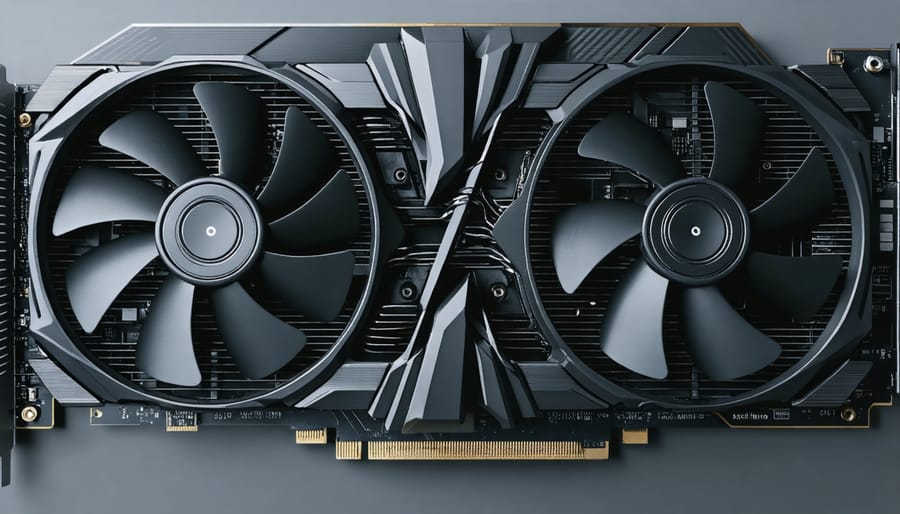
The Raspberry Pi 5 introduces a significant advancement in thermal management with its first-ever active cooling system. Unlike previous models that relied solely on passive cooling through heatsinks, the new Pi 5 comes with an optional official active cooler designed specifically for optimal performance.
This active cooling solution features a compact yet efficient fan that mounts directly onto the board, ensuring consistent airflow across critical components. The cooler is engineered to maintain ideal operating temperatures even during intensive tasks, making it particularly valuable for overclocking enthusiasts and demanding applications.
The cooling system’s intelligent design incorporates PWM (Pulse Width Modulation) control, automatically adjusting fan speeds based on the processor’s temperature. This dynamic approach means the fan operates quietly during light tasks and ramps up only when necessary, striking an excellent balance between cooling efficiency and noise levels.
Installation is remarkably straightforward, with the cooler attaching securely via a simple clip mechanism. The design also maintains compatibility with most standard Pi 5 cases, though users should verify case specifications when planning their setup.
For those concerned about power consumption, the active cooler draws minimal current through the board’s GPIO header, having negligible impact on overall power usage. While the Pi 5 can operate without the active cooler in many scenarios, it’s highly recommended for users planning to run resource-intensive applications or operate in warm environments, ensuring optimal performance and system longevity.
Power Efficiency Features
The Raspberry Pi 5 introduces significant improvements in power efficiency and management capabilities, making it more versatile for both portable and intensive computing applications. The new board features a sophisticated power delivery system that automatically adjusts voltage and frequency based on workload demands, helping to optimize energy consumption without sacrificing performance.
A notable addition is the new active cooling system, which works in tandem with the power management features to maintain optimal operating temperatures. The improved thermal design allows the Pi 5 to sustain higher performance levels while keeping power consumption in check. When idle, the system can reduce power draw significantly, making it more suitable for battery-powered projects.
The board now includes a dedicated power button, eliminating the need for external switches or awkward unplugging. This feature enables proper shutdown sequences and helps prevent potential data corruption. The USB-C power delivery port supports up to 5V/5A input, providing plenty of headroom for power-hungry accessories and expansions.
For developers and makers working on mobile projects, the Pi 5’s enhanced power efficiency means longer battery life and better thermal management. The system can now enter various power-saving states more effectively, with improved wake-from-sleep capabilities that preserve system state while minimizing energy usage.
These power management features are complemented by software-level controls that allow users to monitor and adjust power consumption based on their specific needs, making the Raspberry Pi 5 more adaptable for a wide range of applications, from always-on servers to portable computing solutions.
The Raspberry Pi 5’s impressive feature set represents a significant leap forward in the single-board computer landscape. With its dramatically improved processing power, enhanced GPU capabilities, and upgraded memory specifications, this new model opens up exciting possibilities for more demanding projects and applications. The addition of PCIe support and improved I/O capabilities makes it a more versatile platform for both hobbyists and professional developers.
As we approach the anticipated release date, it’s clear that these enhancements will enable users to tackle more complex tasks, from advanced robotics to sophisticated machine learning projects. The improved thermal management and power delivery systems ensure that users can push their projects to new limits without worrying about performance throttling or stability issues.
For educators and students, the enhanced multimedia capabilities and faster processing speed will make the Pi 5 an even more effective teaching tool. Makers and enthusiasts will appreciate the expanded GPIO options and improved connectivity, while developers will benefit from the increased computational power for testing and deployment.
These features collectively position the Raspberry Pi 5 as not just an incremental upgrade, but a transformative step forward in the single-board computer category. Whether you’re a beginner starting your first project or an experienced developer working on complex applications, the Pi 5’s capabilities provide the foundation for innovation and creativity in countless new ways.