

Data lifecycle management orchestrates the complete journey of information from creation to deletion, empowering organizations to maximize data value while maintaining security and compliance. This systematic approach tracks and controls data through distinct phases: creation, storage, usage, sharing, archiving, and eventual disposal. In today’s data-driven landscape, where businesses generate massive amounts of information daily, effective lifecycle management has become crucial for maintaining data integrity, reducing storage costs, and ensuring regulatory compliance.
Modern organizations leverage data lifecycle management to transform raw information into actionable insights while protecting sensitive data throughout its existence. By implementing structured workflows and automated processes, companies can effectively monitor data quality, optimize storage resources, and maintain precise control over who accesses information at each stage. This proactive approach not only enhances operational efficiency but also strengthens data governance frameworks, making it an essential component of any comprehensive data management strategy.
What is Data Lifecycle Management?
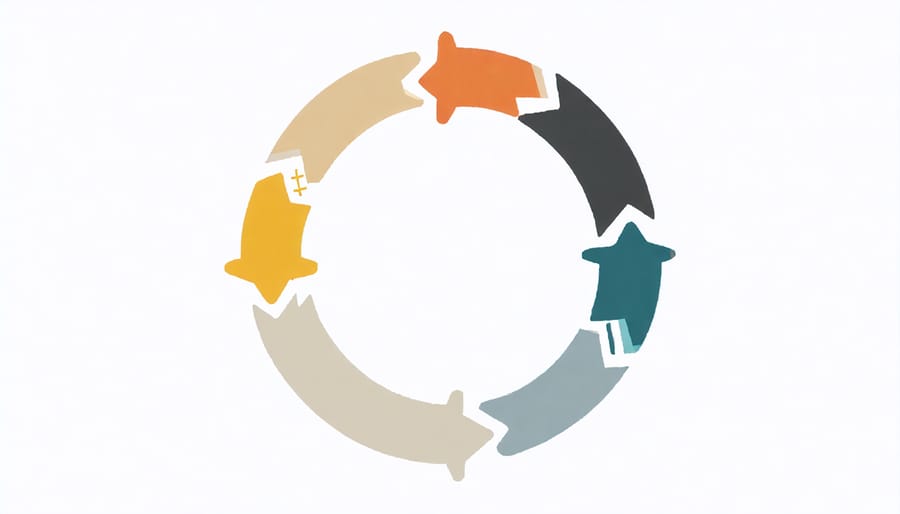
The Five Stages of Data Lifecycle
Data lifecycle management follows five distinct stages, each playing a crucial role in how information flows through your systems. Let’s explore these stages with a focus on practical implementation.
The first stage is data creation, where information is either generated or acquired. This could be through sensors connected to your Raspberry Pi, user input, or data imports. During this stage, it’s essential to establish proper metadata and classification to ensure effective management downstream.
Storage comes next, involving the systematic organization of data in appropriate locations. For Raspberry Pi projects, this might include local storage on SD cards, external drives, or cloud storage solutions. The key is implementing proper backup procedures and ensuring data is stored in formats that maintain its integrity.
The usage stage is where data becomes actionable. This involves accessing, processing, and analyzing the information to derive value. In Raspberry Pi applications, this could mean using sensor data for home automation or analyzing temperature readings for environmental monitoring.
As data ages, it enters the archival stage. Not all information needs to remain immediately accessible, but it might still hold value for future reference or compliance requirements. This stage involves moving data to long-term storage solutions while maintaining its accessibility when needed.
The final stage is deletion, where data that’s no longer needed is permanently removed. This stage is crucial for maintaining system efficiency and ensuring compliance with data protection regulations. It’s important to implement secure deletion methods that prevent unauthorized recovery of sensitive information.
Understanding these stages helps you implement effective data management strategies in your Raspberry Pi projects while maintaining optimal system performance and security.
Implementing DLM on Your Raspberry Pi
Data Creation and Capture
The initial phase of data lifecycle management centers on creating and capturing data effectively on your Raspberry Pi system. Start by implementing a clear naming convention for all files and directories, making them easily identifiable and searchable. For instance, use descriptive names that include dates, project names, or version numbers (e.g., “temp_sensor_data_20240215”).
When collecting data from sensors or external sources, establish a standardized format for data storage. CSV, JSON, or SQLite databases work well for most Raspberry Pi projects. Set up automated data validation checks to ensure accuracy and completeness of incoming data. This might include verifying data types, checking for missing values, and confirming that readings fall within expected ranges.
Create regular backup procedures from the outset. Consider using automated scripts to periodically copy important data to a separate storage device or cloud service. Document your data sources, collection methods, and any preprocessing steps applied. This documentation will prove invaluable as your project grows and if you need to share your data with others.
Remember to implement appropriate security measures during data capture, such as encryption for sensitive information and access controls for different users or processes.
Storage and Protection
Implementing robust storage solutions for Raspberry Pi is crucial for maintaining data integrity throughout its lifecycle. Begin by choosing appropriate storage media based on your project requirements – whether it’s high-speed microSD cards for system operations, USB drives for expandability, or networked storage for larger datasets.
Protection starts with implementing proper file permissions and user access controls. Encrypt sensitive data using built-in Linux tools like dm-crypt or LUKS, and regularly monitor system logs for unauthorized access attempts. Consider implementing RAID configurations for critical data storage to prevent loss from hardware failures.
Following effective data backup strategies is essential. Set up automated backups using tools like rsync or rclone to maintain multiple copies across different storage locations. For critical projects, implement the 3-2-1 backup rule: keep three copies of your data, store two backup copies on different storage media, and keep one copy off-site or in the cloud.
Remember to regularly test your backup and recovery procedures to ensure they work when needed. This proactive approach helps maintain data availability throughout its lifecycle while protecting against potential loss or corruption.
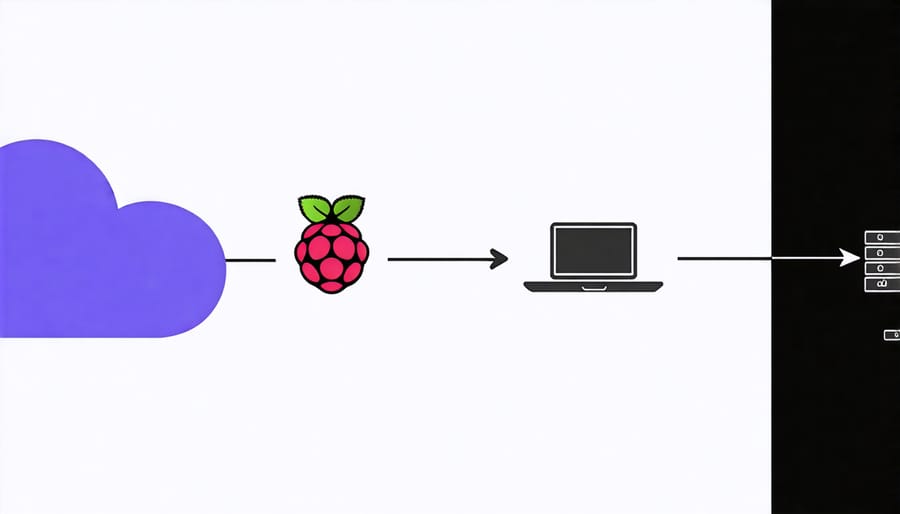
Tools and Techniques for Effective DLM
Managing data lifecycle on your Raspberry Pi effectively requires a combination of robust tools and well-planned techniques. For file management, tools like rsync and rclone offer powerful synchronization capabilities, allowing you to automate data transfers and backups. These utilities are particularly effective when combined with cron jobs for scheduling regular maintenance tasks.
For monitoring storage usage and performance, tools like ncdu and iotop provide detailed insights into disk usage patterns and I/O operations. This information is crucial for optimizing storage allocation and identifying potential bottlenecks in your data management system.
Database management tools like SQLite and MariaDB offer lightweight yet powerful solutions for structured data storage, while MongoDB provides flexibility for handling unstructured data. These can be complemented with hybrid cloud storage options to ensure data redundancy and accessibility.
For data security, encryption tools like VeraCrypt and LUKS provide robust protection for sensitive information. Meanwhile, tools like Duplicity and Restic offer encrypted backup solutions with version control capabilities, ensuring your data remains both secure and recoverable.
Remember to implement logging tools like logrotate to manage system logs effectively, preventing them from consuming excessive storage space while maintaining essential debugging information. These tools, when used together, create a comprehensive data lifecycle management system tailored to your Raspberry Pi’s capabilities.
Data lifecycle management is a crucial framework that ensures the effective handling of your data from creation to deletion. By implementing DLM, you can optimize storage costs, maintain data quality, and ensure regulatory compliance. Start by assessing your current data management practices and identifying areas for improvement. Create a detailed implementation plan that includes clear policies for data creation, storage, archival, and deletion. Train your team on these policies and regularly review and update your DLM strategy as needs evolve. Remember that successful DLM is an ongoing process rather than a one-time implementation. Consider using automated tools to streamline your DLM processes, and always prioritize data security and accessibility. With proper planning and execution, you can build a robust DLM system that serves your organization’s needs while maintaining efficiency and compliance.