


Picture a high-energy event where developers, designers, and innovators come together for an intense 24-48 hour creative sprint. Hackathons transform caffeine-fueled collaboration into groundbreaking solutions, whether you’re coding a revolutionary app, building a robot, or crafting the next big tech innovation. Unlike typical coding competitions, these dynamic gatherings celebrate creativity, teamwork, and rapid prototyping – turning wild ideas into working demos at breakneck speed.
Think of hackathons as innovation marathons where diverse teams tackle real-world challenges through technology. Participants form small groups, brainstorm solutions, and work around the clock to build functional prototypes. Whether you’re a seasoned programmer or a curious beginner, these events offer a unique blend of learning, networking, and hands-on experience that can’t be replicated in traditional settings.
The beauty of hackathons lies in their accessibility and potential impact. Armed with laptops, development tools, and endless possibilities, participants can create solutions that address everything from local community issues to global challenges. These events have launched successful startups, sparked technological breakthroughs, and built lasting professional relationships – all while fostering an inclusive environment where innovation thrives.
What Makes a Hackathon Unique
Time-Bound Innovation
Hackathons typically run anywhere from 24 to 48 hours, creating an intense, focused environment where innovation thrives under pressure. This time-boxed format serves multiple purposes: it maintains high energy levels, forces participants to prioritize features, and simulates real-world project deadlines. While some events might span a weekend, others compress the entire experience into a single day.
The tight timeframe encourages rapid prototyping and creative problem-solving, pushing participants to move quickly from concept to minimum viable product. Teams often work through the night, fueled by caffeine and excitement, taking advantage of every minute to bring their ideas to life. This intense pace helps filter out perfectionism and overthinking, focusing instead on core functionality and innovation.
Many hackathons include scheduled breaks, mini-workshops, and mentoring sessions within their timeline, ensuring participants maintain productivity while managing their energy levels. The countdown to the final presentation adds an extra layer of excitement and urgency, making time management a crucial skill for success.
Collaborative Problem-Solving
At the heart of every hackathon lies the spirit of community collaboration and creative problem-solving. Teams typically consist of 3-5 members with diverse skills, from coding and hardware expertise to design and project management. This mix of talents creates a dynamic environment where participants can learn from each other while working towards a common goal.
The collaborative atmosphere encourages participants to think outside the box and combine different perspectives to solve challenges. Teams often set up their own workspaces, complete with whiteboards, laptops, and hardware components, creating mini innovation hubs within the larger event space. The environment is deliberately designed to foster creativity and open communication, with teams frequently sharing ideas and helping each other overcome technical obstacles.
What makes hackathons particularly exciting is the way they break down traditional barriers between different technical disciplines. A programmer might find themselves learning about 3D printing from a hardware enthusiast, while a designer could discover new ways to implement their ideas through coding. This cross-pollination of skills and knowledge often leads to innovative solutions that might not emerge in more traditional work environments.

Anatomy of a Community Hackathon
Team Formation and Ideation
Team formation typically begins with a networking session where participants share their skills and project interests. Some hackathons allow pre-formed teams, while others encourage on-site team building to promote diversity of skills and fresh collaborations. The ideal team size is usually 3-5 members, combining different expertise like programming, hardware design, and project management.
During ideation, teams brainstorm project concepts that align with the hackathon’s theme or challenges. This phase often involves rapid prototyping techniques, where teams sketch out their ideas and discuss technical feasibility. It’s crucial to consider the project’s scope and what can realistically be accomplished within the time constraints.
Successful teams often follow a structured approach: first identifying a clear problem to solve, then evaluating available resources and team capabilities, and finally settling on an achievable solution. Many hackathons provide mentors who can help teams refine their ideas and offer technical guidance.
Remember, the best project ideas often come from combining team members’ unique perspectives and experiences. Focus on creating something innovative yet practical that can be demonstrated within the hackathon’s timeframe.
Development and Prototyping
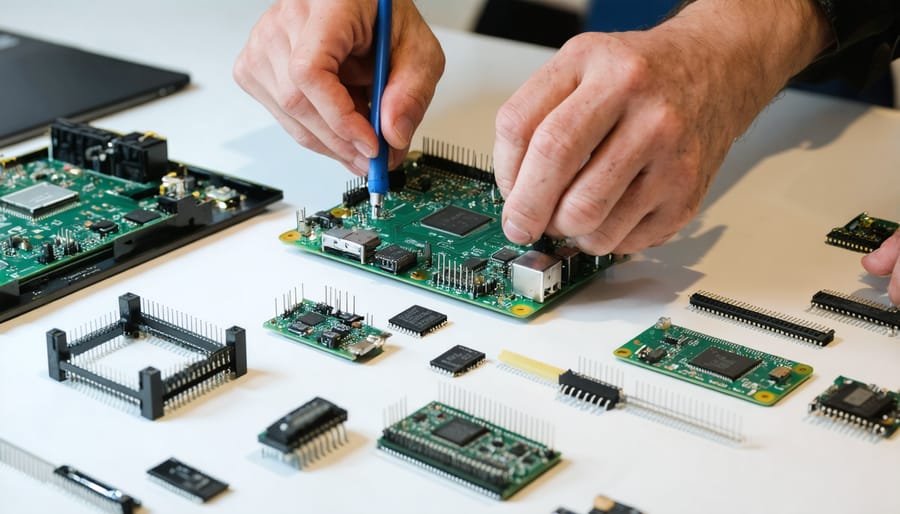
During the development phase, teams dive into their chosen projects, leveraging available resources and tools to bring their ideas to life. At hackathons focused on Raspberry Pi hackathon projects, participants typically have access to various hardware components, sensors, and development boards alongside their Raspberry Pi units.
Teams usually start by setting up their development environment, installing necessary software and libraries, and connecting their hardware components. The prototyping process often involves rapid iteration, with teams testing different approaches and solutions to their chosen problem. Common development activities include writing Python scripts, configuring GPIO pins, connecting sensors, and setting up network communications.
Time management is crucial during this phase. Successful teams often break down their project into smaller, manageable tasks and assign roles based on team members’ strengths. While some focus on hardware assembly and configuration, others might work on software development or user interface design.
Testing is integrated throughout the development process, with teams continuously validating their solutions. This iterative approach helps identify and fix issues quickly, ensuring a working prototype by the end of the hackathon. Teams also document their progress and prepare for the final presentation, often creating demos that showcase their project’s functionality and potential real-world applications.
Presentation and Judging
At the end of a hackathon, teams present their projects to a panel of judges, typically through short demonstrations lasting 3-5 minutes. These presentations usually include a live demo of the working prototype, an explanation of the problem being solved, and the technical approach used. Judges often come from diverse backgrounds, including industry professionals, tech experts, and event sponsors.
Projects are evaluated based on several key criteria: technical complexity, innovation, practical utility, and completion level. Many hackathons also consider factors like presentation quality, market potential, and adherence to the event’s theme. Some events include additional categories such as “Best Use of Hardware” or “Most Impactful Solution.”
The judging process often involves a combination of scoring rubrics and deliberation among judges. Popular projects might also receive recognition through audience choice awards or special sponsor prizes. Teams should focus on clearly communicating their solution’s value proposition and demonstrating working features rather than trying to present every technical detail.
Remember that presentation skills are just as important as technical execution – a well-communicated simple solution often outperforms a complex project that’s poorly explained.
Getting Started with Hackathons
Essential Preparations
Successful hackathon participation requires thoughtful preparation. Start by packing your essential tech gear: your laptop or development device, chargers, power banks, and any specific hardware you might need for your project. If you’re working with Raspberry Pi, bring your board, peripherals, and any sensors or components you plan to use.
Don’t forget the basics for your personal comfort during the long hours. Pack comfortable clothes, a light jacket (venues can get cold), toiletries, and any medications you need. A sleeping bag or blanket can be invaluable for quick power naps.
For sustenance, bring a reusable water bottle, energy-rich snacks, and caffeine if you use it. While many hackathons provide food, having your own supplies ensures you can stay focused when inspiration strikes.
Before the event, research the hackathon’s theme, rules, and available resources. Install necessary development tools and frameworks on your devices, and ensure everything works offline – internet connections can be unreliable during the event. Create a basic project template or gather relevant code snippets to save time during the hackathon.
Most importantly, prepare your mindset. Review basic coding concepts, brainstorm project ideas that align with the hackathon’s goals, and get enough rest before the event. Consider reaching out to potential teammates beforehand if team formation isn’t part of the event schedule.
Finding the Right Event
Finding the right hackathon involves considering several key factors that align with your interests and skill level. Start by exploring popular hackathon platforms like Devpost, MLH (Major League Hacking), and Hackathon.io, which regularly list upcoming events. Many of these platforms allow you to filter events based on technology focus, making it easier to find Raspberry Pi-specific competitions.
Consider your experience level when choosing an event. While some hackathons are designed for seasoned developers, many welcome beginners and offer mentorship opportunities. Look for events labeled as “beginner-friendly” or “all skill levels welcome” if you’re just starting out.
Location and timing are crucial factors. While in-person events offer unique networking opportunities, virtual hackathons provide flexibility and accessibility from anywhere in the world. These online events often have more flexible schedules and can be easier to fit into your existing commitments.
Pay attention to the hackathon’s theme and requirements. Some events focus on specific challenges or technologies, while others are more open-ended. Check whether the event provides hardware (particularly important for Raspberry Pi projects), or if participants need to supply their own equipment.
Finally, review the prizes and judging criteria. While winning shouldn’t be your primary motivation, understanding what the judges are looking for can help you decide if the event aligns with your goals and capabilities.
Tips for Success

Building an Effective Demo
A compelling demo is crucial to effectively showcase your project at a hackathon. Start by identifying your project’s key features and crafting a clear, concise narrative that highlights the problem you’re solving. Focus on demonstrating working functionality rather than explaining potential future features.
Keep your demo under five minutes and structure it like a story: begin with the problem, show your solution in action, and conclude with the impact. If you’re using a Raspberry Pi-based project, ensure all components are properly connected and tested beforehand to avoid technical hiccups during presentation.
Create a visually appealing display using screenshots, diagrams, or live demonstrations that clearly illustrate your project’s functionality. Have a backup plan ready in case of technical difficulties – screenshots or videos can serve as alternatives to live demos.
Practice your presentation multiple times, anticipating common questions from judges and other participants. Be prepared to explain your technical choices and development process concisely. Remember to highlight any unique aspects of your implementation, particularly how you’ve utilized the Raspberry Pi’s capabilities.
End your demo with a clear call-to-action: what you want judges to remember and how they can try or access your project. Keep your code and documentation readily available for those interested in learning more about your implementation.
Networking and Learning
Hackathons are as much about building connections as they are about building projects. These events provide unique opportunities to meet like-minded individuals, industry experts, and potential mentors who share your passion for technology and innovation. During a hackathon, you’ll find yourself naturally networking as you collaborate with team members, seek advice from other participants, or discuss ideas with event organizers and sponsors.
The learning environment at hackathons is incredibly rich and dynamic. You’ll be exposed to new technologies, programming languages, and problem-solving approaches that you might not encounter in your regular routine. Many hackathons feature workshops, lightning talks, and mentorship sessions where experienced developers and industry professionals share their knowledge and insights.
To maximize your learning experience, don’t hesitate to ask questions and seek help from others. Most hackathon participants and mentors are eager to share their expertise and help fellow developers overcome challenges. Keep a notebook handy to jot down new concepts, useful resources, and contact information of people you meet.
Even if you don’t win a prize, the connections you make and the knowledge you gain are invaluable. Many participants find that the relationships formed during hackathons lead to future collaborations, job opportunities, or lasting friendships within the tech community. Remember to follow up with your new connections after the event through professional networks or social media to maintain these valuable relationships.
Hackathons represent an incredible opportunity to push your creative boundaries, develop new skills, and connect with like-minded innovators in the tech community. Whether you’re a seasoned developer or just starting your journey in technology, these events offer a unique platform to transform your ideas into reality while learning from others in an intensive, collaborative environment.
The value of participating in hackathons extends far beyond the potential prizes or recognition. These events help build essential skills like problem-solving, team collaboration, and working under pressure – all valuable attributes in both academic and professional settings. For many participants, hackathons have become stepping stones to successful careers in technology, leading to job opportunities, startup ventures, and meaningful connections in the industry.
If you’ve never participated in a hackathon before, don’t let uncertainty hold you back. The community is typically welcoming and supportive, with many events offering dedicated tracks for beginners. Start by joining a local or virtual hackathon, bring your enthusiasm, and be ready to learn. Remember, the goal isn’t always to create the most polished product – it’s about the journey, the learning experience, and the connections you make along the way.
Take that first step and sign up for an upcoming hackathon. You might just surprise yourself with what you can achieve in 24-48 hours of focused creativity and collaboration.