
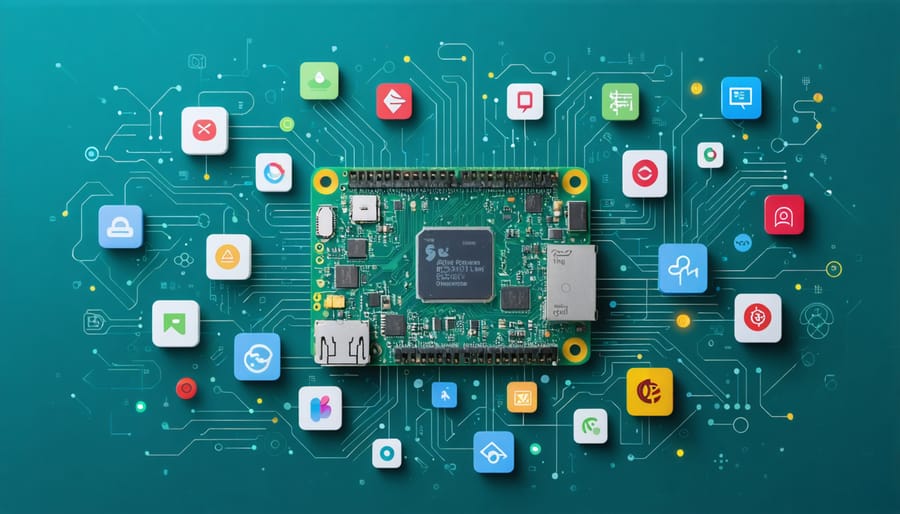
Transform your coding skills into meaningful contributions by exploring the vast landscape of open-source projects. Whether you’re getting started with Raspberry Pi or crafting enterprise-level solutions, thousands of projects eagerly await your expertise. Start with beginner-friendly repositories tagged “good-first-issue” on GitHub, where maintainers actively mentor newcomers through documentation improvements and bug fixes. Progress to intermediate challenges in popular frameworks like React, Python’s Django, or Node.js, where your contributions directly impact millions of users worldwide. Dive deeper into specialized projects matching your interests – from machine learning libraries to IoT platforms – where your unique perspective can spark innovation.
The open-source community thrives on diversity, welcoming contributors regardless of experience level. Each pull request, documentation update, or bug report strengthens the foundation of software that powers our digital world. Select projects aligned with your skills, start small, and gradually tackle more complex challenges as your confidence grows.
Beginner-Friendly Raspberry Pi Projects
Documentation and Translation Projects
Contributing to open source doesn’t always mean writing code. Documentation and translation projects offer excellent entry points for newcomers and are vital for making open source software accessible to users worldwide. Projects like Mozilla, WordPress, and Python actively seek contributors to help improve their documentation, write tutorials, and translate content into different languages.
Documentation contributions can range from fixing typos and clarifying instructions to writing complete user guides and API documentation. These tasks require good written communication skills and attention to detail rather than programming expertise. Tools like GitHub and GitLab make it easy to submit documentation changes through their built-in editors, even if you’re not familiar with version control systems.
Translation projects help open source software reach global audiences. Platforms like Weblate, Transifex, and Crowdin provide user-friendly interfaces for translators to contribute to various projects. Popular projects like Ubuntu, GIMP, and LibreOffice rely heavily on volunteer translators to make their software available in multiple languages.
To get started with documentation, look for issues tagged as “documentation” or “good first issue” in project repositories. For translations, join translation teams through project websites or translation platforms. Many projects maintain style guides and contribution guidelines to help you align your work with project standards. Remember, improving documentation and translations makes open source more accessible and user-friendly for everyone.
Simple Hardware Interface Projects
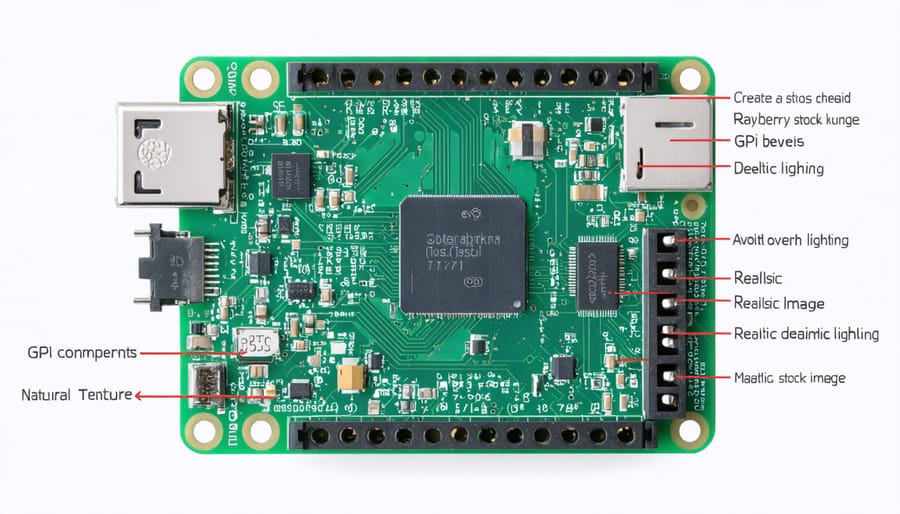
For those looking to start their open source journey with hardware projects, several initiatives focus on basic GPIO programming basics and sensor integration. The WiringPi library, while officially retired, remains open for community maintenance and offers an excellent starting point for understanding hardware interfacing. Contributors can help improve documentation, add support for new sensors, or fix existing bugs.
Another noteworthy project is pigpio, which provides a library for controlling Raspberry Pi GPIO pins. New contributors can work on Python wrapper improvements, add examples for different sensors, or help maintain the extensive documentation. The project particularly welcomes contributions that make hardware interfacing more accessible to beginners.
The ADC-DAC Pi family of projects offers opportunities to work with analog-to-digital and digital-to-analog conversion libraries. These projects need help with testing on different Raspberry Pi models, improving error handling, and creating user-friendly examples.
For those interested in environmental monitoring, the EnviroPi project welcomes contributions to its open-source sensor integration platform. Contributors can add support for new sensors, improve data logging functionality, or enhance the web interface for displaying sensor readings. These projects provide an excellent foundation for understanding both hardware interfaces and software development practices.
Educational Software Initiatives
Learning Platforms
Educational platforms represent some of the most impactful open source projects you can contribute to. OpenStax, a leading provider of free educational textbooks, welcomes contributors for content writing, fact-checking, and technical improvements. Their platform has already helped millions of students access quality education materials at no cost.
For coding education enthusiasts, freeCodeCamp offers numerous ways to contribute, from creating learning tutorials to improving their interactive coding challenges. The platform’s entire curriculum is open source, making it an excellent starting point for contributors who want to help others learn programming.
Moodle, the popular learning management system, maintains an active community of contributors working on features, plugins, and documentation. Whether you’re interested in PHP development, UX design, or content creation, there’s a place for your skills in the Moodle ecosystem.
For those interested in gamified learning, Anki’s open source flashcard system welcomes contributions to both its core application and community-driven add-ons. Contributors can help improve the spaced repetition algorithms, create new card templates, or develop educational content packages.
Khan Academy’s exercises repository provides opportunities to create and improve interactive learning materials across various subjects, particularly in STEM fields.

Classroom Tools
The educational technology landscape offers numerous opportunities for contributors to make a meaningful impact through open source classroom tools. OpenBoard stands out as a versatile interactive whiteboard application that teachers use daily. Its intuitive interface makes it perfect for beginners looking to contribute, with tasks ranging from UI improvements to feature additions.
Moodle, a comprehensive learning management system, welcomes developers of all skill levels. Contributors can work on everything from plugin development to accessibility improvements, making education more inclusive. For those interested in student assessment tools, TAO Testing provides an open source platform where developers can enhance automated grading systems and question banks.
Python-based tools like Jupyter Notebooks have revolutionized interactive learning in STEM subjects. Contributors can help develop educational extensions or create teaching materials. The Kolibri project, designed for offline learning environments, needs developers to improve its functionality for regions with limited internet access.
These projects not only enhance your portfolio but also directly impact students and teachers worldwide. Many offer mentorship programs and detailed documentation to help new contributors get started, making them ideal for developers looking to make their first open source contributions in the education sector.
Security and Network Projects
Network Monitoring Tools
Network monitoring tools offer an excellent entry point for developers looking to contribute to open source projects while gaining valuable experience in network analysis and security. Projects like Wireshark, a widely-used packet analyzer, welcome contributions ranging from bug fixes to documentation improvements. Beginners can start by helping with translation efforts or improving user guides, while more experienced developers can tackle protocol dissector development.
Nagios Core, another prominent project, provides enterprise-grade network monitoring capabilities. Contributors can develop new monitoring plugins, enhance the web interface, or help maintain the extensive documentation. The project’s modular architecture makes it ideal for learning about monitoring systems while making meaningful contributions.
For those interested in network security, Snort offers opportunities to work on intrusion detection systems. Contributors can help develop new rule sets, improve performance optimization, or enhance the machine learning capabilities for threat detection.
ntopng, a modern network traffic analyzer, needs help with frontend development, data visualization improvements, and API documentation. This project is particularly suitable for developers with JavaScript experience or those interested in real-time data processing.
These projects maintain active communities on GitHub, where newcomers can find “good first issue” tags to get started. Regular participation in their respective IRC channels or forums can help you connect with experienced contributors and find mentorship opportunities.
Security Applications
The security landscape offers numerous exciting opportunities for open-source contributors, with projects ranging from penetration testing tools to encryption implementations. OWASP (Open Web Application Security Project) maintains several beginner-friendly initiatives where you can start contributing, including security testing frameworks and vulnerability scanning tools.
For those interested in network security, Wireshark provides an excellent entry point. This popular packet analyzer welcomes contributions in various areas, from bug fixes to documentation improvements. ModSecurity, an open-source web application firewall, also actively seeks contributors for rule development and core functionality enhancement.
Privacy-focused projects like OpenVPN and Let’s Encrypt offer opportunities to work on encryption and certificate management systems. These projects particularly value contributions that improve user experience and documentation, making them perfect for beginners with an interest in security.
For hands-on security testing, projects like Metasploit Framework and OSSEC (Open Source HIDS) welcome contributors at all skill levels. These tools are essential for security professionals and provide excellent learning opportunities while contributing to real-world security solutions.
Remember to start with the projects’ contribution guidelines and join their communication channels. Many security projects maintain active Discord or IRC channels where you can connect with experienced contributors who can guide your first steps.
Getting Started with Contributions
Setting Up Your Development Environment
Before diving into open source contributions, you’ll need to set up a proper development environment. Start by ensuring you have Git installed on your system – it’s essential for version control and collaborating with other developers. Create a GitHub account if you haven’t already, as most open source projects are hosted there.
For local development, install a robust code editor like Visual Studio Code or Sublime Text. These editors offer helpful extensions for various programming languages and integrate well with Git. If you’re specifically interested in Raspberry Pi development setup, you’ll need additional tools like the Raspberry Pi Imager and SSH capabilities.
Don’t forget to install the necessary programming language environments based on your chosen projects. Python developers should set up virtual environments (venv) to manage dependencies, while JavaScript contributors will need Node.js and npm installed.
Finally, familiarize yourself with terminal commands and set up SSH keys for secure GitHub authentication. Consider installing GitHub Desktop if you prefer a graphical interface for Git operations. Remember to configure your Git username and email before making your first contribution.
Finding and Claiming Issues
Once you’ve found a project that interests you, the next step is locating issues you can work on. GitHub’s issue tracker is your best friend here – use labels like “good first issue,” “beginner-friendly,” or “help wanted” to find suitable tasks. These labels are specifically added by project maintainers to welcome new contributors.
Before claiming an issue, thoroughly read through its description and any existing comments. Check if someone else has already started working on it or if there’s an ongoing discussion. When you’re ready to contribute, leave a comment on the issue expressing your interest and briefly mentioning your approach to solving it.
Good communication is key when working with project maintainers. Be clear, respectful, and patient in your interactions. If you need clarification, don’t hesitate to ask questions, but show that you’ve done your homework first. Many projects have contribution guidelines or templates for issue discussions – following these demonstrates professionalism and respect for the project’s processes.
Remember that some issues might be reserved for specific contributors or require prior discussion. Always wait for maintainer approval before starting work on an issue to avoid duplicate efforts.
Making Your First Pull Request
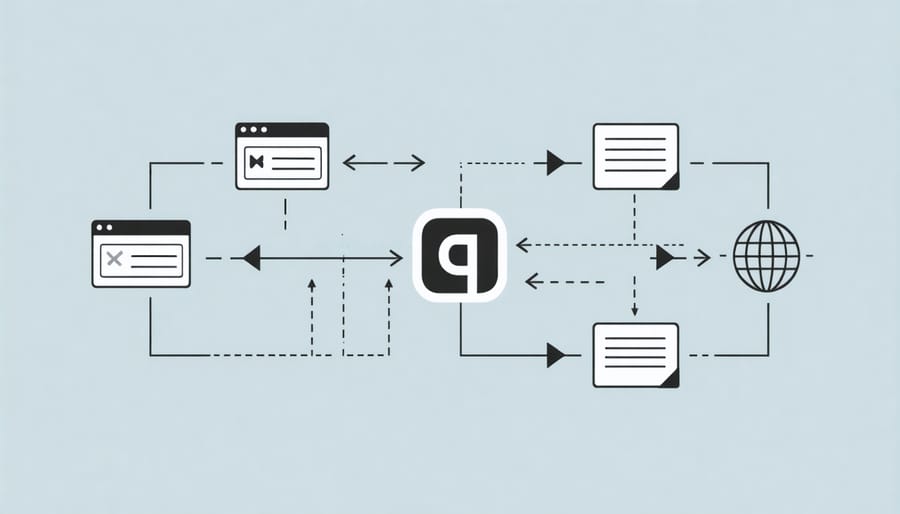
Making your first contribution to an open source project might feel daunting, but it’s actually quite straightforward when broken down into simple steps. Start by reviewing our guide on using GitHub for beginners to familiarize yourself with the basic concepts.
First, fork the repository you want to contribute to by clicking the ‘Fork’ button on the project’s GitHub page. This creates your own copy of the project. Next, clone the forked repository to your local machine using the command ‘git clone’ followed by your repository URL.
Create a new branch for your changes using ‘git checkout -b branch-name’. Make your desired changes to the code or documentation, ensuring they align with the project’s contribution guidelines. Test your changes thoroughly to ensure everything works as expected.
Stage your changes using ‘git add’ and commit them with a clear, descriptive message using ‘git commit’. Push your changes to your forked repository with ‘git push origin branch-name’. Finally, navigate to the original repository and click ‘New Pull Request’ to submit your changes for review.
Remember to respond promptly to any feedback from project maintainers and make requested adjustments to your contribution.
Contributing to open source Raspberry Pi projects offers an incredible opportunity to grow as a developer while making a meaningful impact on the global tech community. Not only do you gain hands-on experience with real-world projects, but you also develop valuable collaboration skills and build a professional network within the open source community.
By participating in these projects, you’ll learn best practices in software development, improve your coding skills, and understand how large-scale projects are managed. The experience gained from contributing to open source projects is highly valued by employers and can open doors to exciting career opportunities.
Remember that every contribution matters, whether it’s fixing a small bug, improving documentation, or adding a new feature. The Raspberry Pi community is known for being welcoming and supportive of newcomers, making it an ideal starting point for those new to open source contribution.
Don’t let imposter syndrome hold you back – start small, be consistent, and gradually take on more challenging tasks. The projects we’ve discussed offer various entry points for contributors of all skill levels. Choose a project that aligns with your interests and expertise, reach out to the maintainers, and take that first step toward becoming an active contributor.
Join the thriving Raspberry Pi open source community today and be part of something bigger than yourself. Your contributions could help shape the future of educational technology and inspire the next generation of makers and developers.