

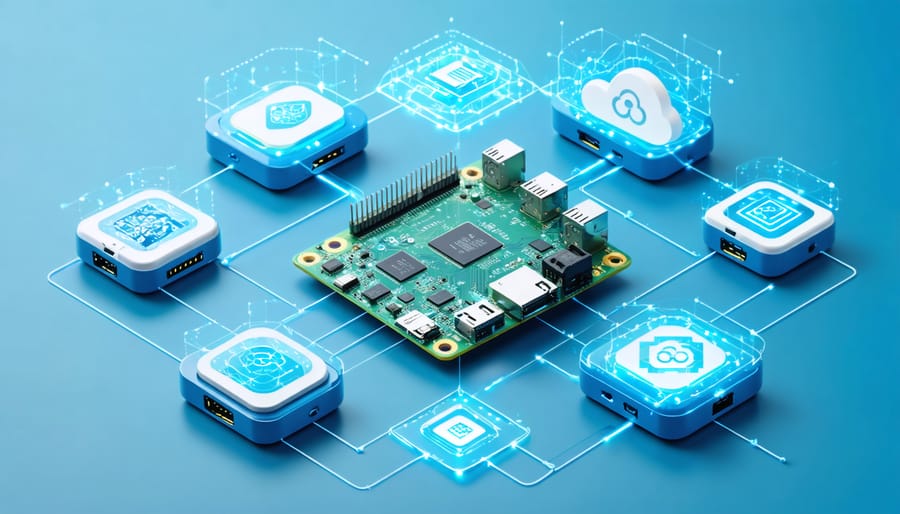
Transform your infrastructure by deploying edge computing strategically at network endpoints, unlocking powerful edge computing capabilities that reduce latency and enhance real-time processing. Distribute computing workloads across edge devices to optimize network performance and minimize data transfer costs, while maintaining centralized control through robust orchestration platforms. Implement edge-native storage solutions with local caching mechanisms to ensure data persistence and rapid access, even during network disruptions.
The evolution of edge computing demands a precise balance between processing power and storage efficiency. Modern organizations leverage edge architecture to process data closer to its source, reducing bandwidth consumption and enabling faster decision-making. By combining distributed computing with intelligent data management, businesses can create resilient systems that scale efficiently while maintaining security and compliance requirements.
This practical guide explores proven strategies for implementing edge computing infrastructure, focusing on storage optimization, workload distribution, and performance monitoring. Whether you’re managing IoT devices or building edge-native applications, these approaches will help you maximize the potential of your edge computing deployment while minimizing operational complexity.
Why Traditional Storage Solutions Fall Short at the Edge
Performance Bottlenecks
Traditional storage solutions in edge devices often face several critical performance bottlenecks that can hamper the efficiency of your projects. The most common issue is the limited read/write speeds of standard SD cards, which can create significant delays when processing large amounts of data. This becomes particularly noticeable when running data-intensive applications or collecting sensor data at high frequencies.
Another major bottleneck occurs when multiple processes attempt to access storage simultaneously, leading to I/O conflicts and potential data corruption. Edge devices like Raspberry Pi typically use consumer-grade storage media, which aren’t designed for constant, intensive read/write cycles. This can lead to premature wear and degraded performance over time.
Network latency also plays a crucial role, especially when edge devices need to sync data with cloud storage. The bandwidth limitations of edge locations can create bottlenecks during data transfer, affecting real-time processing capabilities. Additionally, power constraints in edge devices often mean that storage performance must be balanced against energy consumption, leading to compromises in speed and reliability.
Understanding these bottlenecks is essential for designing efficient edge computing solutions and choosing appropriate storage strategies for your specific use case.
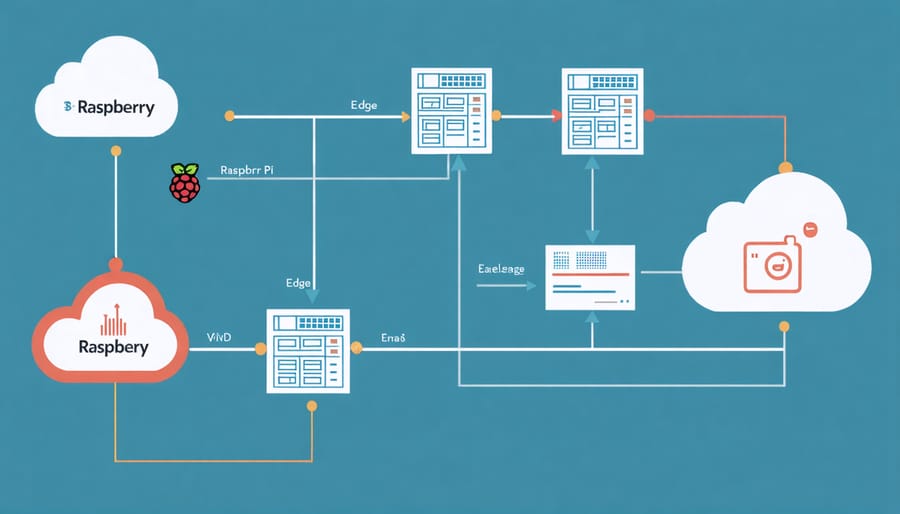
Data Security Vulnerabilities
Edge computing brings data storage closer to where it’s needed, but this proximity also introduces unique security challenges. Distributed storage systems are particularly vulnerable to physical tampering since edge devices often operate in unsecured locations. Unauthorized access becomes a more significant concern when data is stored across multiple edge nodes, especially on devices like Raspberry Pis that might be deployed in public or semi-public spaces.
Network security poses another critical challenge, as edge devices frequently communicate over various protocols and networks. Without proper encryption and access controls, data in transit between edge nodes and the central system becomes susceptible to man-in-the-middle attacks. Additionally, edge devices often lack the robust security features found in traditional data centers, making them attractive targets for cybercriminals.
Data integrity can be compromised when edge devices experience power interruptions or hardware failures, potentially leading to corrupted storage. The limited computational resources of edge devices may also restrict the implementation of comprehensive security measures. To mitigate these risks, implementing strong authentication mechanisms, regular security audits, and encrypted storage solutions is essential for any edge computing deployment.
Optimizing Your Edge Storage Architecture
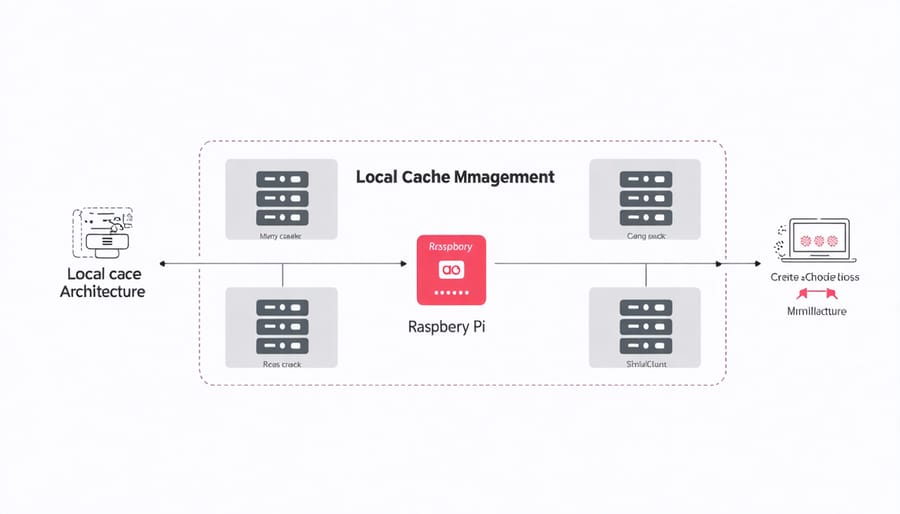
Local Cache Management
Effective local cache management is crucial for optimizing edge computing performance on your Raspberry Pi. By implementing proper storage optimization techniques, you can significantly reduce latency and improve data access speeds.
Start by implementing a simple key-value store using Redis or SQLite for frequently accessed data. These lightweight databases are perfect for Raspberry Pi’s limited resources and can dramatically improve response times. Configure your cache size based on your Pi’s available RAM, typically reserving 20-25% of total memory for caching.
Consider implementing a Least Recently Used (LRU) caching policy to automatically remove older, unused data when space runs low. This approach ensures your cache remains efficient and doesn’t overwhelm your Pi’s storage capacity. For time-sensitive data, set appropriate TTL (Time To Live) values to maintain data freshness.
To enhance performance further, implement cache warming strategies by pre-loading commonly accessed data during low-usage periods. Monitor your cache hit rates and adjust your caching policies accordingly. A good target is maintaining a cache hit rate above 80%.
Remember to implement error handling and cache invalidation mechanisms to ensure data consistency. Regular cache maintenance, including periodic cleanup of expired entries and optimization of cache indices, will help maintain optimal performance levels.
Data Synchronization Patterns
Maintaining data consistency between edge devices and the cloud requires careful consideration of synchronization patterns. For Raspberry Pi deployments, several proven approaches ensure reliable cloud data synchronization while optimizing network usage and handling potential connectivity issues.
The event-based synchronization pattern works well for real-time applications, where edge devices push updates to the cloud immediately when data changes occur. This approach is ideal for time-sensitive applications but requires stable network connectivity.
Delta synchronization reduces bandwidth usage by transmitting only changed data portions rather than complete datasets. This pattern is particularly effective for Raspberry Pi projects with limited network resources or when dealing with large datasets.
Periodic synchronization schedules regular data updates between edge devices and the cloud, offering a balance between real-time consistency and resource efficiency. You can configure sync intervals based on your application’s specific needs and network conditions.
For offline-first applications, the queue-based synchronization pattern stores changes locally when connectivity is unavailable and synchronizes them once the connection is restored. This approach ensures data consistency while maintaining application functionality during network outages.
To implement these patterns effectively, consider using tools like rsync for file-based synchronization or lightweight message queues for event-driven updates. Remember to implement error handling and conflict resolution mechanisms to maintain data integrity across your edge computing infrastructure.
Storage Compression Techniques
When working with edge devices like Raspberry Pi, efficient data compression is crucial for maximizing storage capacity and optimizing data transfer. Several compression techniques work particularly well in edge computing scenarios.
For time-series data, which is common in IoT applications, delta encoding proves highly effective. This method stores the differences between consecutive values rather than the full values themselves, significantly reducing storage requirements. When combined with run-length encoding, it can achieve compression ratios of up to 10:1 for sensor data.
Lossy compression works well for image and video data at the edge. By carefully adjusting quality parameters, you can balance storage efficiency with data fidelity. For instance, using JPEG compression with a quality setting of 85% often reduces file size by 70% while maintaining acceptable image quality for most applications.
Dictionary-based compression algorithms like LZ4 and Snappy are excellent choices for real-time data compression on resource-constrained devices. These algorithms offer fast compression and decompression speeds while using minimal CPU resources, making them ideal for edge computing environments.
Consider implementing selective compression based on data priority. Critical data can be stored with lossless compression, while less important data uses more aggressive compression settings. This tiered approach helps optimize both storage space and processing overhead.
Remember to benchmark different compression methods with your specific data types to find the optimal balance between compression ratio and system performance.
Real-World Implementation
Setting Up Edge Storage on Raspberry Pi
Setting up reliable storage for your Raspberry Pi edge computing project requires careful consideration of both hardware and software components. Let’s walk through the essential steps to configure a robust edge storage solution.
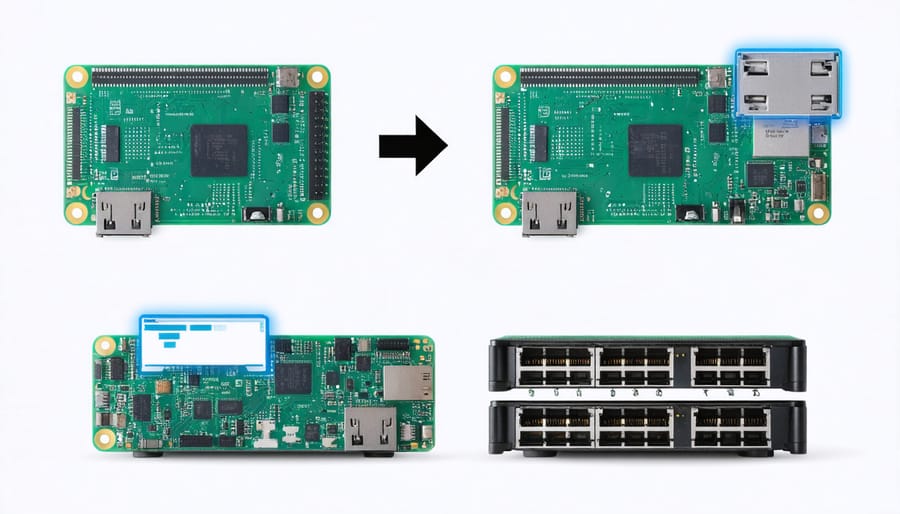
First, choose an appropriate storage device. While the Pi’s built-in microSD card works for basic applications, consider using a high-endurance SSD connected via USB 3.0 for better performance and longevity. Format your chosen storage device using the ext4 file system, which offers excellent reliability and performance for Linux-based systems.
To mount your storage device automatically at boot:
1. Connect your storage device and identify its UUID using:
“`
sudo blkid
“`
2. Create a mount point:
“`
sudo mkdir /mnt/edge-storage
“`
3. Add the following line to /etc/fstab:
“`
UUID=your-device-uuid /mnt/edge-storage ext4 defaults 0 2
“`
For data management, implement a rotating log system using logrotate to prevent storage overflow. Create a configuration file at /etc/logrotate.d/edge-data with appropriate retention policies.
To optimize performance, adjust the following parameters in /etc/sysctl.conf:
“`
vm.dirty_background_ratio = 5
vm.dirty_ratio = 10
“`
These settings help balance write performance with system responsiveness. Finally, implement a monitoring solution using tools like df and iostat to track storage usage and performance metrics, ensuring your edge storage system operates efficiently.
Remember to regularly back up critical data and implement appropriate error handling in your edge computing applications to manage storage-related issues gracefully.
Monitoring and Maintenance
Regular monitoring and maintenance are crucial for keeping your edge computing storage system running smoothly. Start by implementing automated monitoring tools that track key metrics like storage capacity, read/write speeds, and system temperature. Popular monitoring solutions like Prometheus and Grafana work well with Raspberry Pi and can provide real-time insights through easy-to-read dashboards.
Set up alerts for critical thresholds, such as when storage capacity reaches 80% or when temperature exceeds safe operating limits. This proactive approach helps prevent system failures and data loss. Schedule regular health checks for your storage devices, including SMART diagnostics for SSDs and HDDs, which can predict potential hardware failures before they occur.
Maintain a regular backup schedule for critical data. While edge computing often deals with temporary data, establishing clear retention policies and automated cleanup procedures helps manage storage efficiently. Consider implementing a log rotation system to prevent log files from consuming too much space.
Performance optimization should be an ongoing process. Monitor I/O patterns and adjust your storage configuration accordingly. For instance, if you notice frequent small writes, consider implementing write caching or buffering strategies. Regular defragmentation of storage devices can help maintain optimal read/write speeds, especially for traditional HDDs.
Keep your storage management software and firmware up to date. Security patches and performance improvements are regularly released, and staying current helps protect your edge computing system from vulnerabilities while ensuring optimal performance. Document all maintenance procedures and create a troubleshooting guide specific to your setup for quick reference during issues.
Future-Proofing Your Edge Storage
As edge computing continues to evolve, planning for future storage needs becomes increasingly critical. The key to successful edge computing implementation lies in efficient storage management that can adapt to growing demands while maintaining performance.
Consider implementing a tiered storage approach, where frequently accessed data remains on faster local storage while less critical data moves to cloud backup solutions. This hybrid model allows your edge devices to maintain optimal performance while ensuring data preservation and scalability.
When selecting storage solutions for your Raspberry Pi edge devices, look for options that support modern file systems and offer wear leveling capabilities. High-endurance SD cards or SSDs designed specifically for continuous write operations will significantly extend the lifespan of your storage media.
Containerization is another crucial aspect of future-proofing your edge storage. By implementing container-based storage solutions, you can easily migrate data between different edge nodes and scale your storage infrastructure as needed. This approach also simplifies backup procedures and enables more efficient resource utilization.
Consider implementing automated storage management policies that can:
– Monitor storage usage patterns
– Automatically archive older data
– Optimize storage allocation based on access frequency
– Implement data compression when appropriate
– Maintain redundancy for critical information
Regular performance monitoring and predictive maintenance are essential for identifying potential storage bottlenecks before they impact your operations. Tools like iotop and ncdu can help track storage usage patterns and identify areas requiring optimization.
As edge computing workloads become more demanding, consider incorporating emerging storage technologies like NVMe drives or distributed storage solutions. These technologies can provide the performance needed for advanced edge computing applications while maintaining reliability and scalability for future growth.
Edge computing strategy is not just about implementing new technologies; it’s about creating a sustainable, efficient approach to data processing at the edge. By following the guidelines and best practices outlined in this article, you can develop a robust edge computing infrastructure that meets your specific needs. Start by assessing your current requirements, then implement storage solutions incrementally while monitoring performance. Remember to prioritize security, maintain regular backups, and stay flexible as edge computing technology continues to evolve. Whether you’re working with a Raspberry Pi cluster or expanding to larger edge deployments, the key is to balance performance, cost, and scalability. Take the first step today by implementing one of the storage solutions we’ve discussed, and gradually build your edge computing capabilities as your needs grow.