


In today’s interconnected world, securing embedded systems has become paramount as these tiny computers increasingly control critical infrastructure, smart devices, and industrial equipment. From automotive systems to medical devices, embedded systems form the backbone of our digital infrastructure, making them attractive targets for cybercriminals. Recent statistics reveal that cyber attacks on embedded systems have surged by 78% since 2021, highlighting the urgent need for robust security measures.
Embedded system security encompasses multiple layers of protection, including hardware security modules, encrypted communication protocols, and secure boot mechanisms. These systems face unique challenges due to their resource constraints, real-time operation requirements, and often limited update capabilities. Unlike traditional computing systems, embedded devices must maintain security while operating with minimal processing power, memory, and energy consumption.
For developers and engineers, implementing security in embedded systems requires a delicate balance between functionality, performance, and protection. This critical intersection of hardware and software security demands a comprehensive approach that addresses vulnerabilities at every level – from physical tampering protection to secure firmware updates and network communication safeguards.
As we explore embedded system security, we’ll examine proven strategies, industry best practices, and emerging technologies that help create resilient systems capable of withstanding modern cyber threats while maintaining optimal performance.
Understanding Security Threats to Embedded Systems
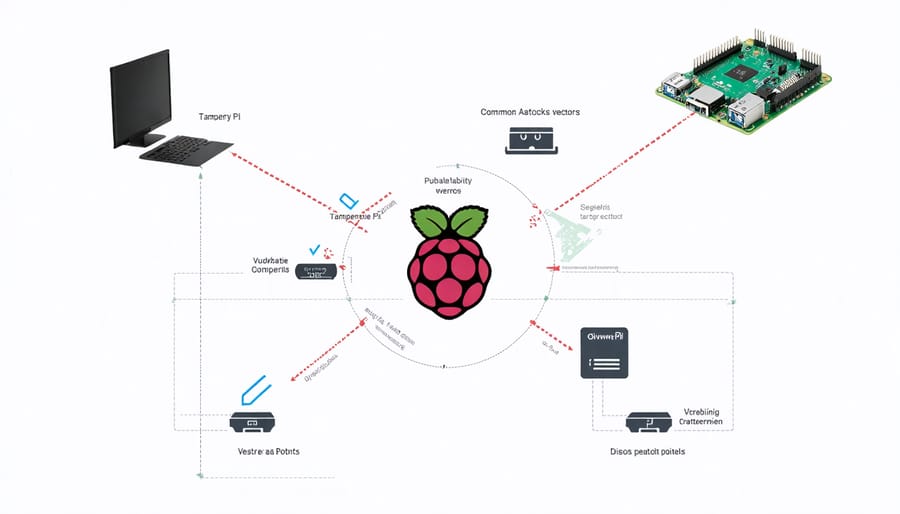
Physical Security Risks
Physical security risks pose significant challenges for embedded systems, particularly when devices are deployed in accessible or unsupervised locations. These systems are vulnerable to tampering, theft, and direct hardware manipulation. Attackers with physical access can potentially extract sensitive data, modify firmware, or compromise system integrity through various methods like port scanning, bus probing, or component replacement.
To mitigate these risks, implementing robust physical security measures is essential. This includes using tamper-evident seals, secure enclosures, and considering power management considerations to prevent unauthorized access through power analysis attacks. Adding features like motion sensors, temperature monitors, and intrusion detection systems can alert you to potential physical tampering attempts.
For Raspberry Pi projects, consider using specialized cases with lock mechanisms, removing unnecessary external ports, and implementing boot protection measures. Additionally, placing critical components in secure locations and maintaining proper documentation of physical access can significantly reduce the risk of hardware-based attacks while ensuring system reliability.
Network-Based Attacks
Embedded systems connected to networks face several critical security challenges that hobbyists and developers need to address. Common vulnerabilities include unsecured network ports, weak authentication mechanisms, and unencrypted data transmission. These weaknesses can expose your system to various attacks such as port scanning, man-in-the-middle attacks, and denial of service (DoS) attempts.
To protect against network-based attacks, implement proper firewall rules to restrict unnecessary port access and use secure protocols like SSH instead of Telnet for remote access. Regular network monitoring and intrusion detection systems can help identify suspicious activities before they become serious threats.
For IoT devices and networked Raspberry Pi projects, it’s essential to change default credentials, disable unused network services, and keep all software components updated. Using Virtual Private Networks (VPNs) for remote access adds an extra layer of security by encrypting network traffic.
Remember that network security is an ongoing process. Regular security audits, penetration testing, and staying informed about new vulnerabilities are crucial practices for maintaining a secure embedded system environment.
Essential Security Measures for Raspberry Pi
Secure Boot Configuration
Secure boot is a fundamental security measure that ensures your embedded system boots only trusted firmware and software components. When implementing secure boot on your Raspberry Pi or similar embedded system, the process begins with proper hardware configuration and extends through multiple verification stages.
The boot process starts with a hardware-based root of trust, typically implemented through a secure boot ROM. This ROM contains cryptographic keys that verify the authenticity of the bootloader. Each subsequent stage in the boot chain must be digitally signed and verified before execution is permitted.
To set up secure boot:
1. Enable hardware security features in your bootloader
2. Generate and safely store cryptographic keys
3. Sign your firmware and boot components
4. Configure boot sequence verification
5. Implement fallback mechanisms for recovery
For Raspberry Pi specifically, you can utilize the boot configuration to enable various security features like disabling USB boot, enforcing signed firmware updates, and implementing boot password protection. Remember to regularly update your firmware and bootloader to patch any discovered vulnerabilities.
It’s crucial to maintain secure key storage and implement a robust key management system. Consider using a hardware security module (HSM) for storing critical boot keys and certificates, providing an additional layer of protection against tampering and unauthorized modifications.
Access Control Implementation
Access control in embedded systems forms a critical security layer, protecting sensitive resources and functionalities from unauthorized access. A robust implementation typically starts with user authentication, where systems verify user identities through various methods such as passwords, biometrics, or security tokens.
For Raspberry Pi-based projects, implementing a multi-factor authentication system provides enhanced security. This can combine something the user knows (password), has (RFID card), or is (fingerprint scanner). The authentication data should always be stored securely, using strong encryption and salted hashes rather than plaintext.
Permission management follows authentication, determining what authenticated users can and cannot do. Role-based access control (RBAC) is particularly effective, allowing you to group permissions into roles and assign these roles to users. For instance, an IoT home automation system might have “admin,” “user,” and “guest” roles with decreasing levels of control.
Implementation best practices include:
– Regular password rotation and complexity requirements
– Session management with timeouts
– Logging of access attempts and changes
– Principle of least privilege enforcement
– Regular audit of user permissions
– Secure storage of credentials
Remember to implement rate limiting for login attempts and maintain an audit trail of access events. This helps prevent brute force attacks while providing accountability for system access and changes.
Network Security Hardening
Network security hardening is a crucial step in protecting your embedded system from unauthorized access and potential attacks. Start by configuring your system’s firewall using tools like UFW (Uncomplicated Firewall) or iptables. Set up rules to allow only necessary incoming connections and block all other traffic by default.
For secure communication, implement encrypted protocols like SSH with key-based authentication instead of passwords. Disable SSH root login and consider changing the default SSH port to reduce automated attack attempts. When your device needs to communicate over the network, always use encrypted protocols such as HTTPS, SFTP, or TLS instead of their unencrypted counterparts.
Enable and configure fail2ban to protect against brute force attacks by automatically blocking IP addresses that show suspicious behavior. Regular network monitoring tools like Wireshark can help you identify unusual traffic patterns and potential security threats.
For IoT applications, consider implementing a VPN or creating a separate network segment for your embedded devices. This isolation adds an extra layer of security by limiting potential attack vectors. If your device needs to communicate with cloud services, use strong authentication methods and regularly rotate access tokens and certificates.
Remember to regularly update your network security configurations and monitor security advisories for any vulnerabilities in the protocols or tools you’re using.
Real-time Monitoring and Threat Detection
System Logging and Alerts
Effective system logging and alert mechanisms are crucial components of a secure embedded system. By monitoring system resources and activities, you can detect potential security threats and respond promptly to incidents.
Configure your Raspberry Pi to maintain detailed logs of system events, user activities, and security-related incidents using rsyslog or journalctl. Set up logging rules to capture critical events such as failed login attempts, unauthorized access attempts, and system resource usage spikes. Store these logs in a secure location with appropriate permissions to prevent tampering.
Implement automated alert mechanisms to notify you when suspicious activities occur. Use tools like fail2ban to detect and respond to potential security breaches, and configure email notifications for critical events. Consider setting up SMS alerts for high-priority security incidents that require immediate attention.
To prevent log files from consuming too much storage space, implement log rotation policies. Configure logrotate to automatically archive and compress old logs while maintaining a manageable history of system events. Remember to regularly review your logs for security analysis and system health monitoring.
For enhanced security, consider forwarding logs to a separate secure server. This ensures that even if your embedded system is compromised, you’ll still have access to the security logs for forensic analysis and incident response.

Intrusion Detection Tools
Protecting your embedded system requires robust intrusion detection tools that can identify and respond to potential security threats in real-time. Popular tools like Snort and Suricata can be configured to monitor network traffic and detect suspicious activities on your Raspberry Pi. These lightweight solutions are particularly effective when combined with connecting security sensors to create a comprehensive security monitoring system.
For file system monitoring, AIDE (Advanced Intrusion Detection Environment) helps track unauthorized changes to system files, while fail2ban protects against brute-force attacks by automatically blocking suspicious IP addresses. Motion detection software like Motion or ZoneMinder can transform your Pi into a smart surveillance system when paired with a camera module.
To enhance threat detection capabilities, consider implementing log analysis tools such as Logwatch or GoAccess. These tools parse system logs and alert you to potential security incidents, making it easier to identify and respond to threats quickly.
Remember to regularly update your intrusion detection rules and signatures to maintain effectiveness against emerging threats. Setting up automated alerts through email or messaging services ensures you’re promptly notified of any security events, allowing for quick response times and better system protection.
Security Testing and Maintenance
Vulnerability Assessment
Assessing vulnerabilities in embedded systems is crucial for maintaining security, and there are several effective methods that makers and hobbyists can employ. Start with a basic port scanning tool like Nmap to identify open ports and services running on your system. This helps understand potential entry points that attackers might exploit.
For Raspberry Pi projects, running vulnerability scanners like OpenVAS or Metasploit can reveal common security weaknesses. These tools simulate various attack scenarios and provide detailed reports on potential vulnerabilities. Remember to perform these tests in a controlled environment to avoid disrupting other devices on your network.
Physical security assessment is equally important. Check for exposed debugging ports, unsecured USB connections, and unprotected SD card slots. Many makers overlook these physical vulnerabilities, which can be just as critical as software vulnerabilities.
Firmware analysis tools like Binwalk can help identify potential security issues in your system’s firmware. Look for outdated components, known vulnerabilities, and unnecessary services that might create security risks.
Document all findings and create a priority list for addressing vulnerabilities. Focus on critical issues first, such as exposed sensitive data or unauthorized access points. Regular reassessment is vital, as new vulnerabilities emerge constantly. Consider implementing automated vulnerability scanning as part of your system’s maintenance routine to ensure continuous security monitoring.
Update Management
Regular updates and patch management are crucial components of maintaining a secure embedded system. For Raspberry Pi projects, implementing a robust update strategy helps protect against known vulnerabilities and ensures your system remains resilient against emerging threats.
Start by establishing an automated update schedule that checks for and applies security patches regularly. You can use the built-in apt package manager with cron jobs to automate this process. However, before applying updates to your production system, always test them in a controlled environment to prevent potential compatibility issues.
Consider implementing a version control system for your custom software components. This allows you to track changes, roll back problematic updates, and maintain a secure backup of your system’s configuration. Tools like Git are excellent for managing code versions and collaborating with other developers.
For critical systems, implement a dual-partition update scheme where updates are installed to an inactive partition while the system continues running. This approach, known as A/B updating, provides a failsafe mechanism if an update causes problems.
Remember to maintain comprehensive logs of all updates and system changes. This documentation helps track system modifications and troubleshoot issues that might arise after updates. Additionally, set up update notifications to alert you when critical security patches become available, ensuring you can respond promptly to potential vulnerabilities.
Finally, establish a policy for end-of-life management, determining when to upgrade or replace components that no longer receive security updates from manufacturers.
Securing embedded systems requires constant attention and a multi-layered approach. By implementing fundamental security practices like regular updates, strong authentication, encrypted communications, and secure boot processes, you can significantly reduce the risk of unauthorized access and potential breaches. Remember that security is not a one-time setup but an ongoing process that requires regular monitoring and updates to stay ahead of emerging threats. Make it a habit to review your security measures periodically, stay informed about the latest vulnerabilities, and adapt your protection strategies accordingly. Whether you’re working on a hobby project or a professional application, maintaining robust security practices will help ensure your embedded system remains protected and reliable. Keep learning, stay vigilant, and never compromise on security fundamentals – your system’s integrity depends on it.