

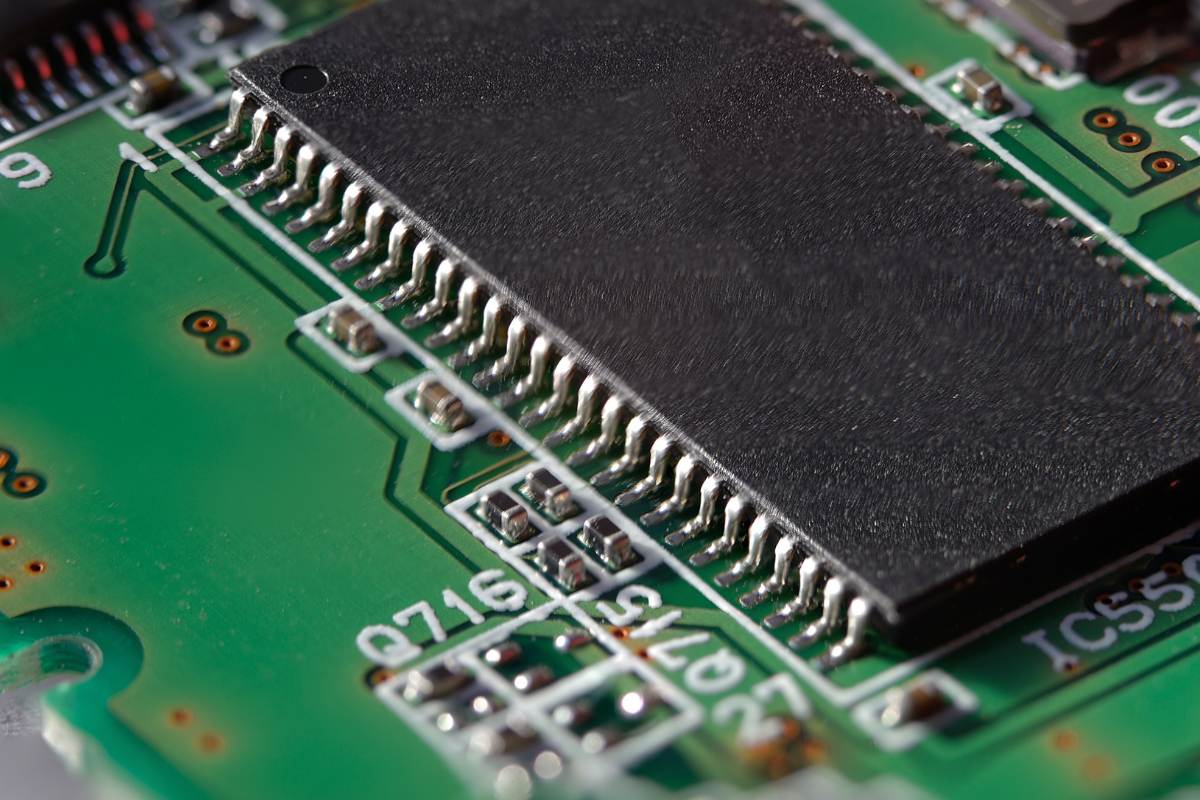
Soldering may seem like a simple step in DIP assembly. However, temperature control is a tricky part of it as it can make or break the performance of a circuit.
If you apply too much heat, there’s a great risk of damaging the components. Too little, and you end up with weak joints that cause reliability issues. Getting the temperature correctly ensures strong connections in an assembly.
The Importance of Proper Soldering Temperature
Soldering works by melting a metal alloy to bond components to a PCBA. The right temperature sees to it that the solder flows properly, forming a solid electrical connection. If the temperature is off, several issues can arise.
- Low heat leads to cold solder joints, making electrical connections weak.
- High heat can damage components or cause PCB warping.
- Uneven heat distribution may result in poor wetting, where solder does not adhere properly.
Controlling the temperature prevents these problems and helps maintain the reliability of DIP components.
Effects of Overheating
Applying too much heat during soldering causes a range of problems. The most common are the following:
- Component Damage: DIP chips have plastic packaging that can melt under excessive heat. Resistors and capacitors may also degrade if exposed to prolonged high temperatures.
- Solder Bridging: Overheated solder can become overly fluid. This results in unintended connections between pins. It can also cause short circuits and system failures.
- PCB Damage: If the heat is too high, the PCB’s copper traces may lift. This creates open circuits or weak connections. Warping is another issue that can make PCB assembly difficult.
Using a controlled heating process, such as a temperature-regulated and a well-calibrated wave soldering machine, helps prevent these issues.
Effects of Low Soldering Temperature
Soldering at a temperature that is too low is just as bad as overheating. Here’s what can happen:
- Cold Solder Joints: Solder that doesn’t melt completely results in dull joints that break easily.
- Poor Electrical Conductivity: Weak bonds can lead to erratic circuit behavior.
- Incomplete Wetting: If the solder doesn’t reach the right temperature, it won’t spread properly. Ultimately, it will leave gaps that weaken the joint.
Use the recommended soldering temperature for the type of solder being used to avoid these problems.
Preheating and Cooling
Controlling temperature isn’t just about the peak heat applied during soldering. Preheating and cooling also matter.
- Preheating: Warming up components and the PCB before soldering reduces thermal shock, which can crack components.
- Controlled Cooling: Allowing solder joints to cool naturally prevents stress fractures. Sudden cooling, like from an airflow blast, can weaken joints.
Good temperature management from start to finish leads to better overall DIP performance.
Final Thoughts
Temperature control during soldering directly impacts the reliability and lifespan of DIP assemblies. Too much heat can damage components, while too little can lead to weak joints. Using proper techniques, during assembly such as controlled heating, preheating, and gradual cooling, helps maintain strong electrical connections. Paying attention to temperature settings ensures a smooth and reliable soldering process, making DIP components last longer and perform better.